Why Dublin still surprises me
The city that keeps moving the furniture
Every experienced traveller has a list of cities they think they know. Dublin used to be on mine. I’d been three times, done the obvious things, filed it under “pleasant, a bit rainy, excellent pint.” Then something shifted. I started paying attention differently, and Dublin started giving back.
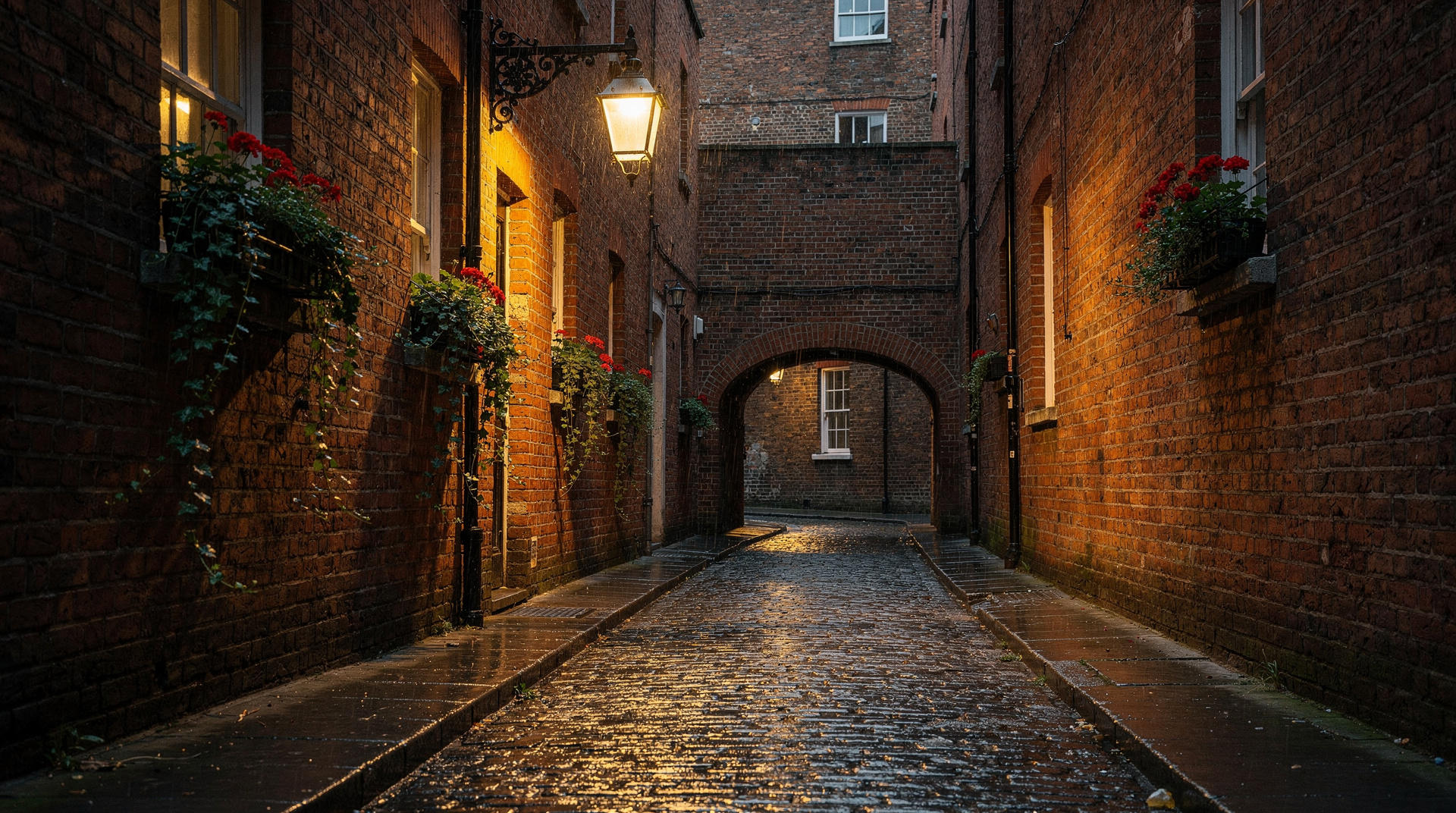
It happened on a weekday morning in June. I’d arrived the evening before, dumped my bag near St Stephen’s Green, and was walking to nowhere in particular before breakfast. Turning off Nassau Street onto a lane I’d never noticed — Lemon Street, narrow enough that you could almost touch both walls — I found a coffee shop running its first batch of the day, a flower seller arranging sunflowers in a bucket, and two women in suits deep in an argument about something that was clearly hilarious to both of them. Nobody was performing for tourists. Nobody was playing trad for tips at nine in the morning. It was just Dublin being Dublin, and I realised I’d been walking past scenes like this for years without stopping to notice.
That’s the first surprise: the city has an extraordinarily vivid domestic life, and most visitors never quite reach it. They stay inside the Tourist Trail — Temple Bar, the Liffey, Trinity, the Storehouse — which are all worthwhile in their own right, but which tell you relatively little about how the place actually works.
| Where the surprises happen | Lemon Street, Smithfield, Portobello, north of the Liffey |
| Best time for the light | June, for daylight past ten in the evening |
| What it costs | Nothing — this is a walking habit, not a paid activity |
| First-time visitors | Do the core sights first, then come back with time to wander |
The southside versus the northside myth
Dublin’s geography is shaped by a river and a set of stubborn social fictions. The Liffey divides the city into northside and southside, and anyone who’s spent time here has encountered the jokes, the snobberies, the counter-snobberies. What surprised me, returning with fresh eyes, was how porous that border has become — at least culturally.
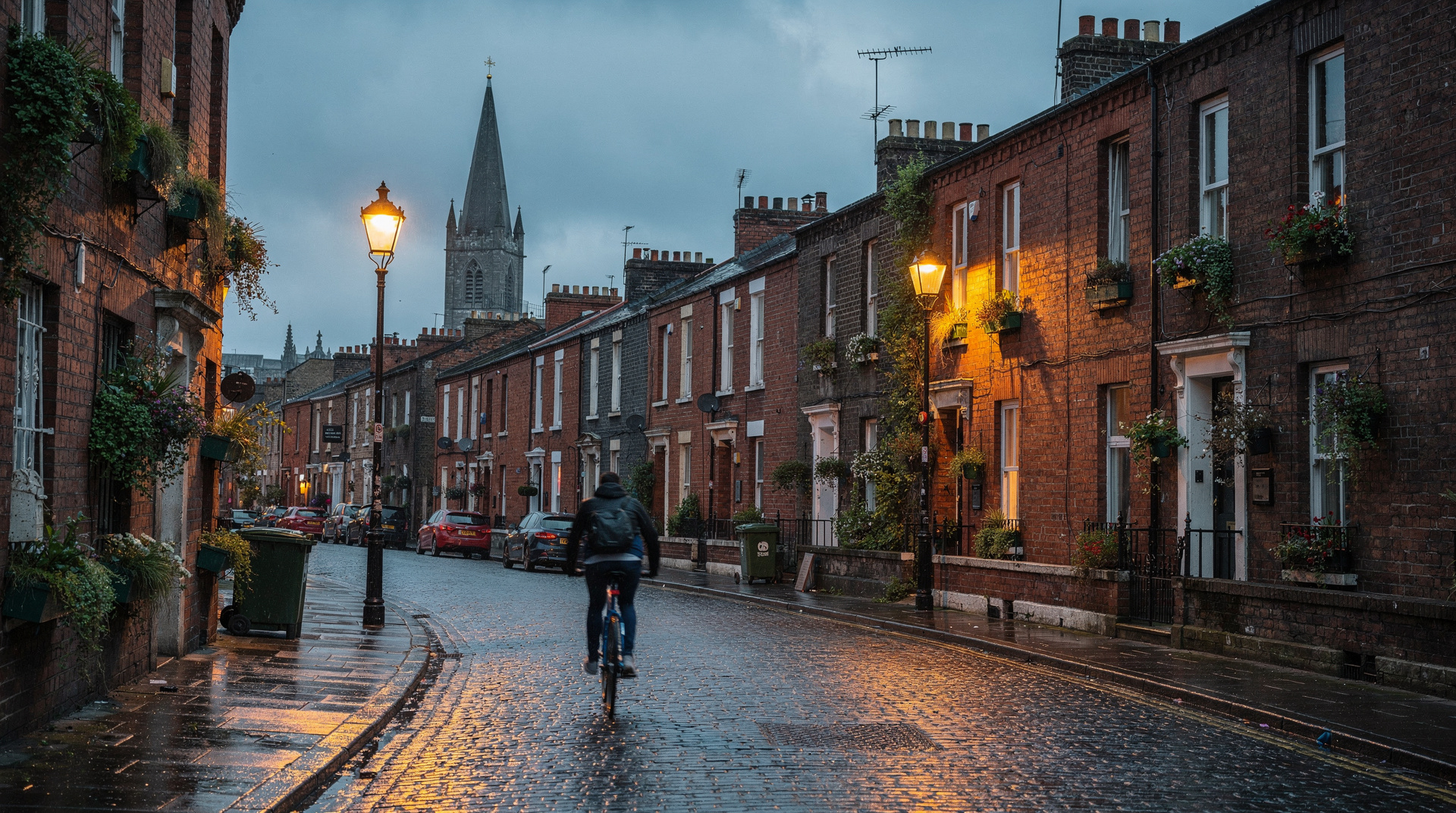
The northside around Parnell Square and the back streets of Granby Row has the kind of energy that southside Rathmines or Ranelagh had twenty years ago: indie coffee shops appearing in Georgian buildings, a bookshop in a converted pharmacy, bars where the music is incidental to good conversation. The Glasnevin and Drumcondra area, practically unvisited by tourists, holds Glasnevin Cemetery — one of the most historically dense patches of ground in Ireland — and a neighbourhood that functions as a kind of time capsule of mid-century Dublin.
The point is not that one side is better. It’s that the received map of the city is about twenty years out of date, and exploring with a willingness to cross the river in both directions opens up a much more interesting place.
What the streets sound like
Dublin’s relationship with noise is unique. It’s a walkable city — compact enough that you can traverse it end to end in under an hour — but it’s not a quiet one. What catches me every time is the overlap of sonic registers: builders’ radios competing with a busker doing a credible version of something you can’t quite identify, seagulls overhead, someone’s phone call leaking through a half-open window, the chunk-chunk of a Luas tram on the red line.
And then you duck into a courtyard behind one of the Georgian terraces in Georgian Dublin and it’s suddenly library-quiet, the street noise cut off as if someone turned a dial.
If you want to understand the city’s relationship with music beyond the tourist-pub version — the sessions that aren’t advertised, the musicians who aren’t playing for tips — read our guide to traditional music pubs. The real thing exists, but it takes a little patience to find. If you’d rather have a guide point you in the right direction first, an Irish music walking tour with a live performance is a gentler way in, and it gives you the vocabulary to recognise a proper session when you stumble on one.
The ghost of the boom years
Another layer I keep noticing: the marks left by the Celtic Tiger and its aftermath. Dublin expanded ferociously during the 1990s and 2000s, then hit a wall. The evidence is everywhere if you know how to read it — half-finished apartment blocks that became community gardens, office developments that lingered empty for a decade and then transformed into something else entirely, a city that had to reinvent its relationship with money twice in a generation.
Walking through the Dublin Docklands makes this visible in a single stroll. You pass Georgian warehouses, then an entirely modern financial quarter, then a street of older terraces that somehow survived, then a park built on reclaimed industrial land. It’s an honest urban landscape in the sense that it shows its workings. Nothing has been prettified into a single coherent story.
The 1916 Easter Rising sits in this context too. The commemoration of the centenary in 2016 turned out to be a genuine moment of collective reflection rather than simple pageantry — the city seemed genuinely uncertain about what it thought of its own past, which is a more interesting place to be than comfortable mythology. If you want the story laid out in order before you start noticing it on the streets, a bus tour that follows the 1916 rebels around the city gives you the framework, and the places you pass afterwards read differently.
When the light is right
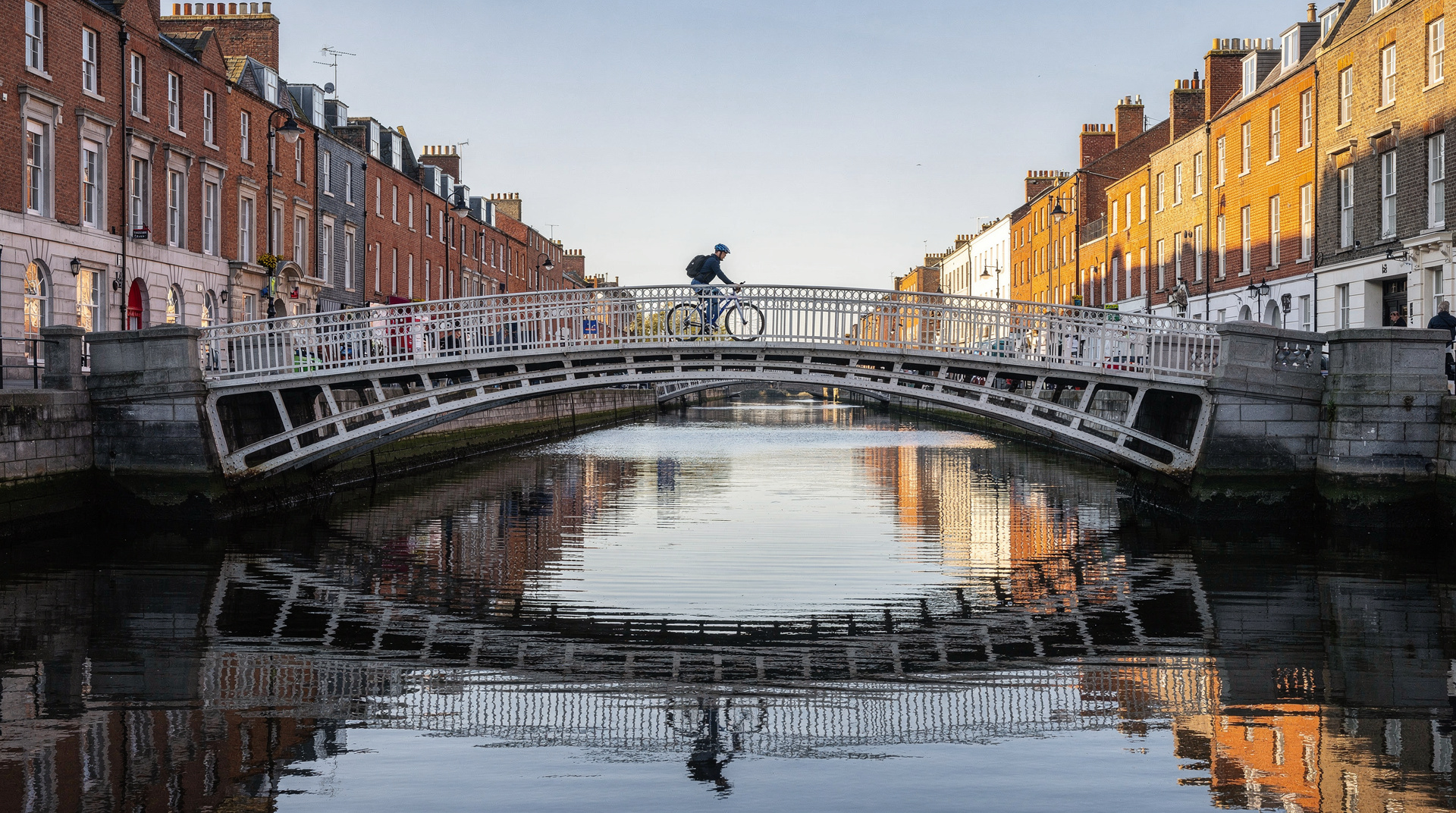
In June, Dublin gets something extraordinary: daylight until after ten in the evening. This is the city at its best. The Georgian squares glow in a low, amber light that hits the brick façades at an angle that seems almost artificially warm. St Stephen’s Green fills with people who look genuinely glad to be there. The Liffey, which is not a pretty river — let’s be honest — becomes something closer to beautiful when the light hits it from the west.
I know visitors plan trips around temperature and rainfall, which is sensible. But the photographers’ secret is that Dublin in June has the kind of light that southern European cities never manage. It comes from the latitude and the low angle of the sun, and it makes everything look slightly more significant than it probably is.
The pub question, answered honestly
People ask me whether the Dublin pub is really as good as advertised. The answer is: it depends entirely on which pub, and on whether you’re treating it as a destination or as a room to sit in.
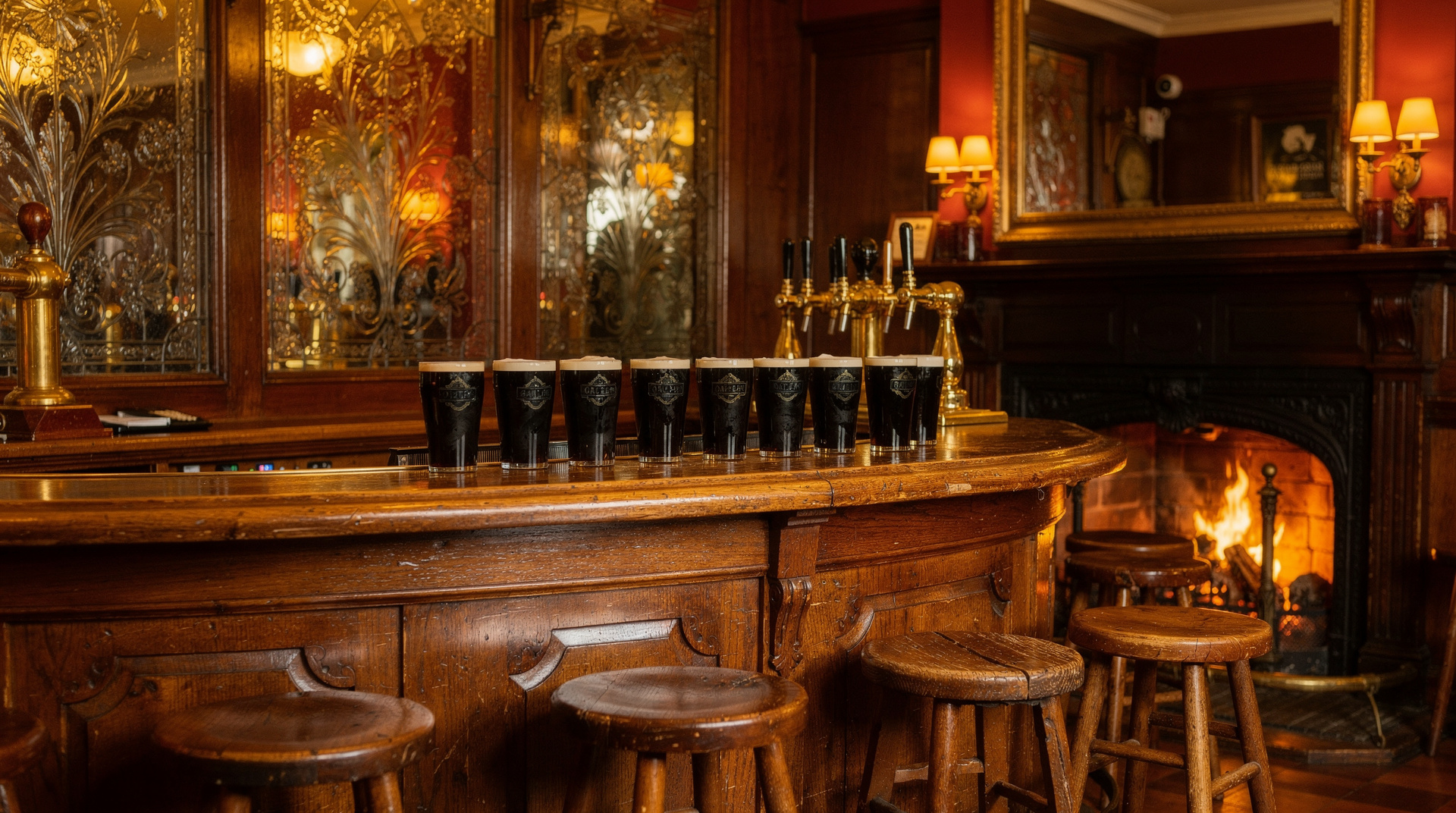
A pub in the Temple Bar cluster on a Saturday night is essentially a theme park, and a loud one. That’s a legitimate choice if you want a party atmosphere, but it has approximately nothing to do with the culture that produced the Dublin pub tradition. The pubs worth your time are the ones that have changed very little since the 1960s — dark wood, a small snug, a barman who knows the regulars by name — and those still exist, even in the centre, if you take the trouble to find them. Our honest guide to Temple Bar lays this out plainly.
For the traditional pub experience done right, the best pubs in Dublin that locals actually use is the place to start. Go on a weekday afternoon if you can manage it.
The literary undercurrent
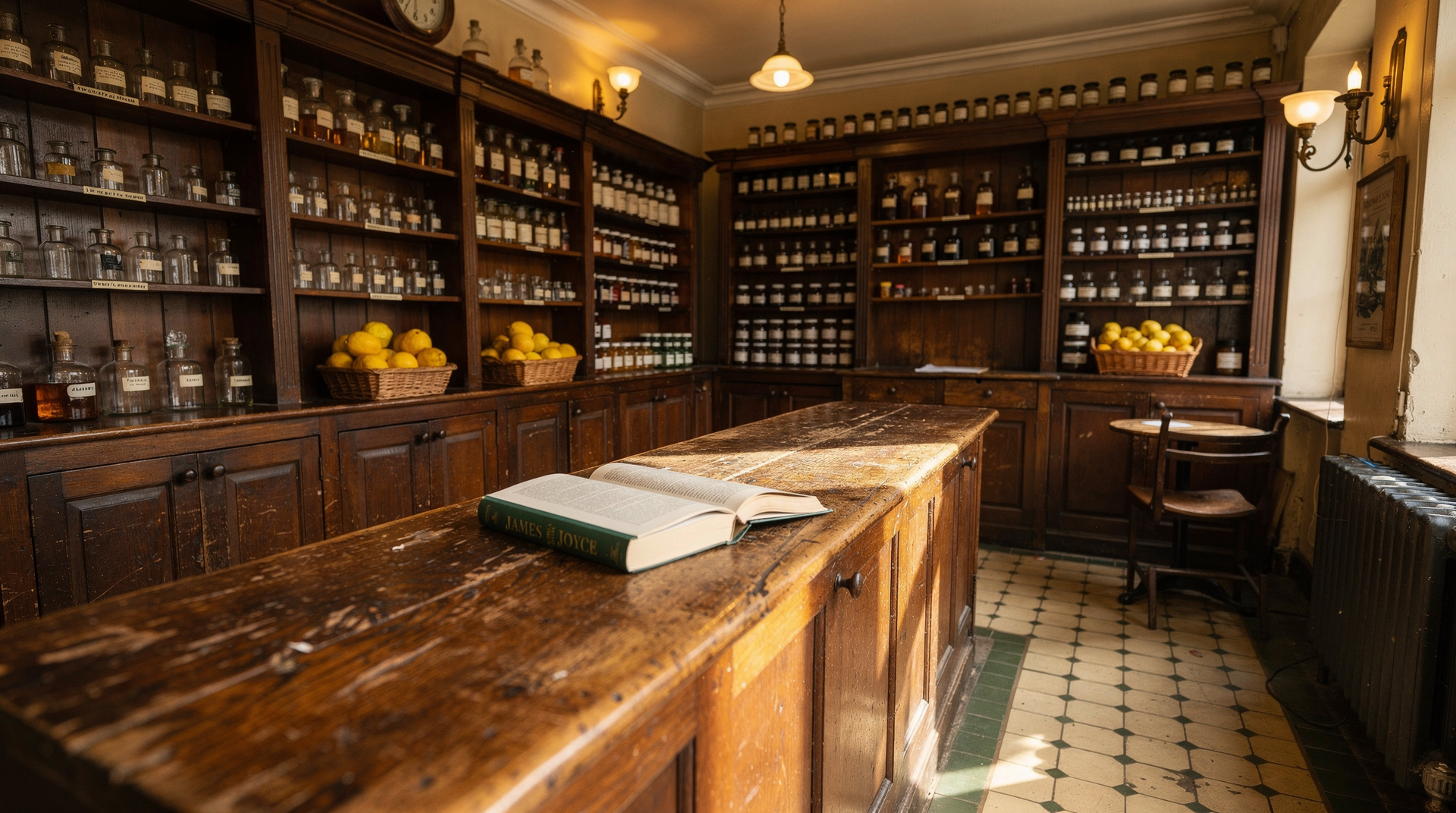
Part of what keeps surprising me is how much of Dublin’s literary reputation is still lived rather than merely commemorated. It’s not just the statues and the plaques — though the literary Dublin guide covers those well — it’s the fact that the pubs where writers actually drank are still, mostly, functioning pubs rather than shrines. Our literary pubs guide makes the distinction between the ones worth a pint and the ones that have become tour-group stops with a slightly inflated sense of their own significance.
I found this out by accident, sitting in a pub near Merrion Square with a pint and a newspaper, and only later realising which writer had reputedly done the same in the same spot decades earlier. Nobody had put up a sign. That, more than any plaque, is the Dublin literary tradition working as intended.
If you’d like some of that context in advance, a guided Irish literature walking tour connects the writers to the streets they walked, so the unmarked corners start to mean something on your own later wanders.
A city that wears its scars
The last thing that keeps surprising me about Dublin is its willingness to carry its history in plain sight rather than hiding it. The Famine memorial on the Custom House Quay — bronze figures, painfully thin, walking towards an emigrant ship that isn’t there — sits two minutes from expensive restaurants and corporate headquarters. Nobody tucks it away on a heritage trail. It’s just there, in the middle of things.
The same is true of Kilmainham Gaol, where the 1916 leaders were executed, and of the Glasnevin graves of people who died on both sides of a civil war that divides families to this day. These aren’t comfortable presences, and the city doesn’t pretend they are. That quality — a kind of unflinching acknowledgement of a complex past — is one of the things I respect most about Dublin.
It means the city is never quite finished making sense of itself. Which, in turn, means it’s never quite what you expect.
If it’s your first time, a 3-day Dublin itinerary will get you through the essential layer. Then, if you’re lucky, the city will start working on you the way it works on everyone who pays proper attention — slowly, sideways, through a lane you didn’t plan to take and a conversation you didn’t expect to have.
That’s the surprise. It’s still there.
Frequently asked questions about Why Dublin still surprises me
How many visits does it take before Dublin starts feeling this way? It varies, but it usually isn’t about the number of visits so much as slowing down on one of them. A single trip with unstructured time — a morning with nowhere specific to be — can produce the same effect as several rushed visits stacked together.
Is the northside genuinely worth crossing the river for? Yes, more than the received wisdom suggests. Areas like Smithfield and Glasnevin/Drumcondra have real depth and considerably fewer tourists than the well-trodden southside streets, which changes the texture of the visit.
Top experiences
Bookable activities with verified prices and instant confirmation on GetYourGuide.