The Dublin Pass: I did the maths so you don't have to
The problem with the Dublin Pass marketing
The Dublin Pass markets itself with the phrase “save up to 50 percent.” This is technically true in the way that most “save up to X” claims are technically true — it reflects the maximum possible saving if you do everything included, which almost nobody does. The relevant question is not whether you can save 50 percent; it is whether you specifically, given your actual itinerary and interests, will save anything at all.
I have spent more time than is probably healthy working through the numbers, and what follows is the honest calculation.
| Pass prices | 1-day around €89, 2-day €99, 3-day €119, 5-day €149 |
| Break-even | Roughly 4–5 mid-size paid attractions, or the Storehouse plus 3 others |
| Best for | First-timers packing in 5+ paid attractions at pace |
| Skip if | Your plan leans on pubs, free museums, or day trips outside the city |
| Booking | Buy online in advance; some included attractions still need their own timed slot |
What the Dublin Pass actually costs
The Dublin Pass comes in 1-day (€89), 2-day (€99), 3-day (€119) and 5-day (€149) versions. These prices change occasionally, so check the current price at booking. For the purposes of this calculation I am using the prices as of early 2025, and I’m comparing against individually purchased tickets at the standard online rate (which itself is cheaper than the door price at most venues).
The pass covers over 40 attractions. In practice, a realistic visitor will see 4-8 attractions over a 2-3 day visit. The question is which 4-8.
The major attractions and their individual prices
Here are the headline included attractions with approximate individual online prices:
- Guinness Storehouse: ~€26
- Book of Kells and Old Library: ~€25
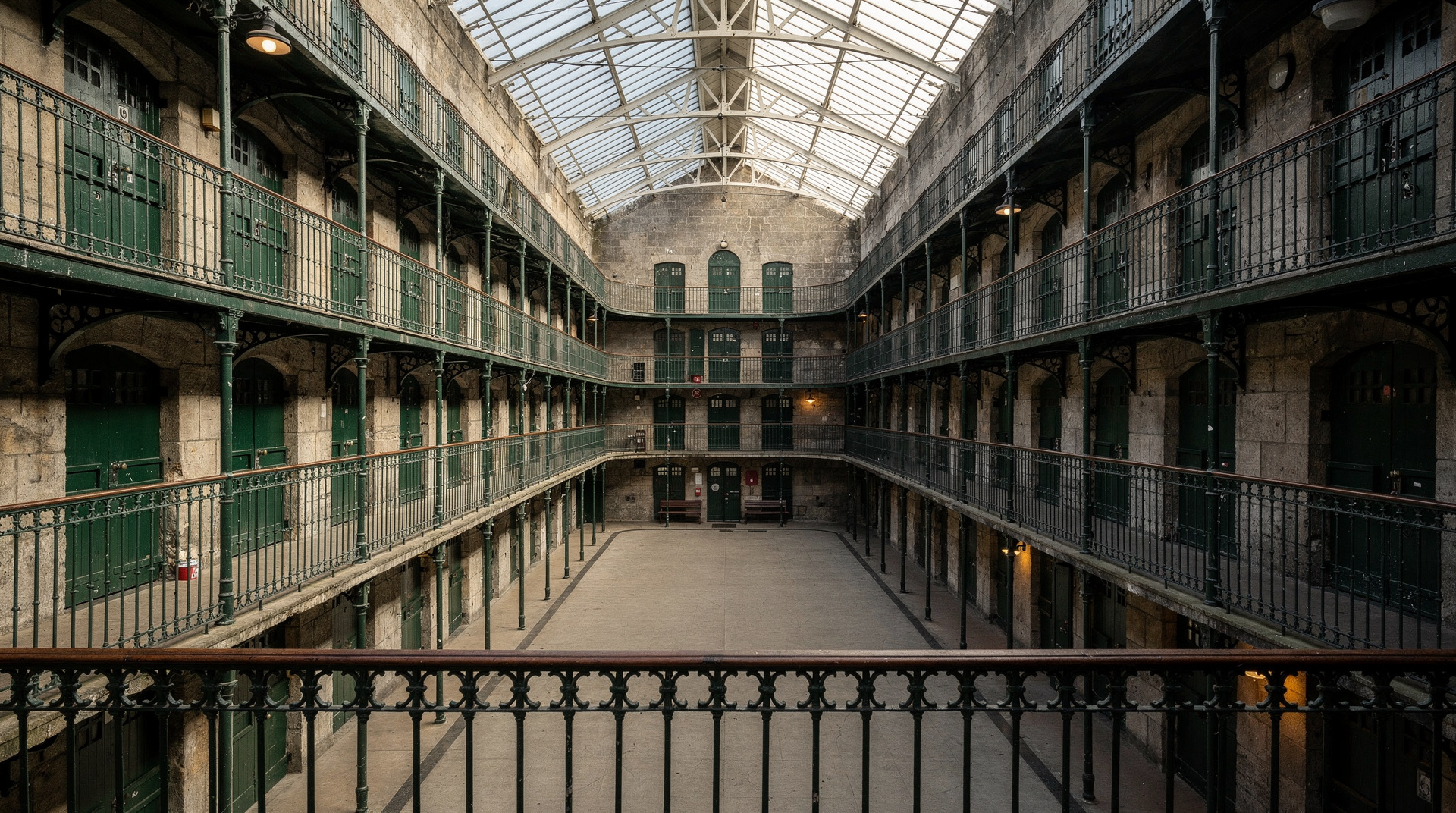
- Kilmainham Gaol: ~€8 (guided tour, booking essential in advance)
- Dublin Castle State Apartments: ~€12
- EPIC The Irish Emigration Museum: ~€17
- Dublinia: ~€11
- Little Museum of Dublin: ~€10
- St Patrick’s Cathedral: ~€9
- Christ Church Cathedral: ~€8
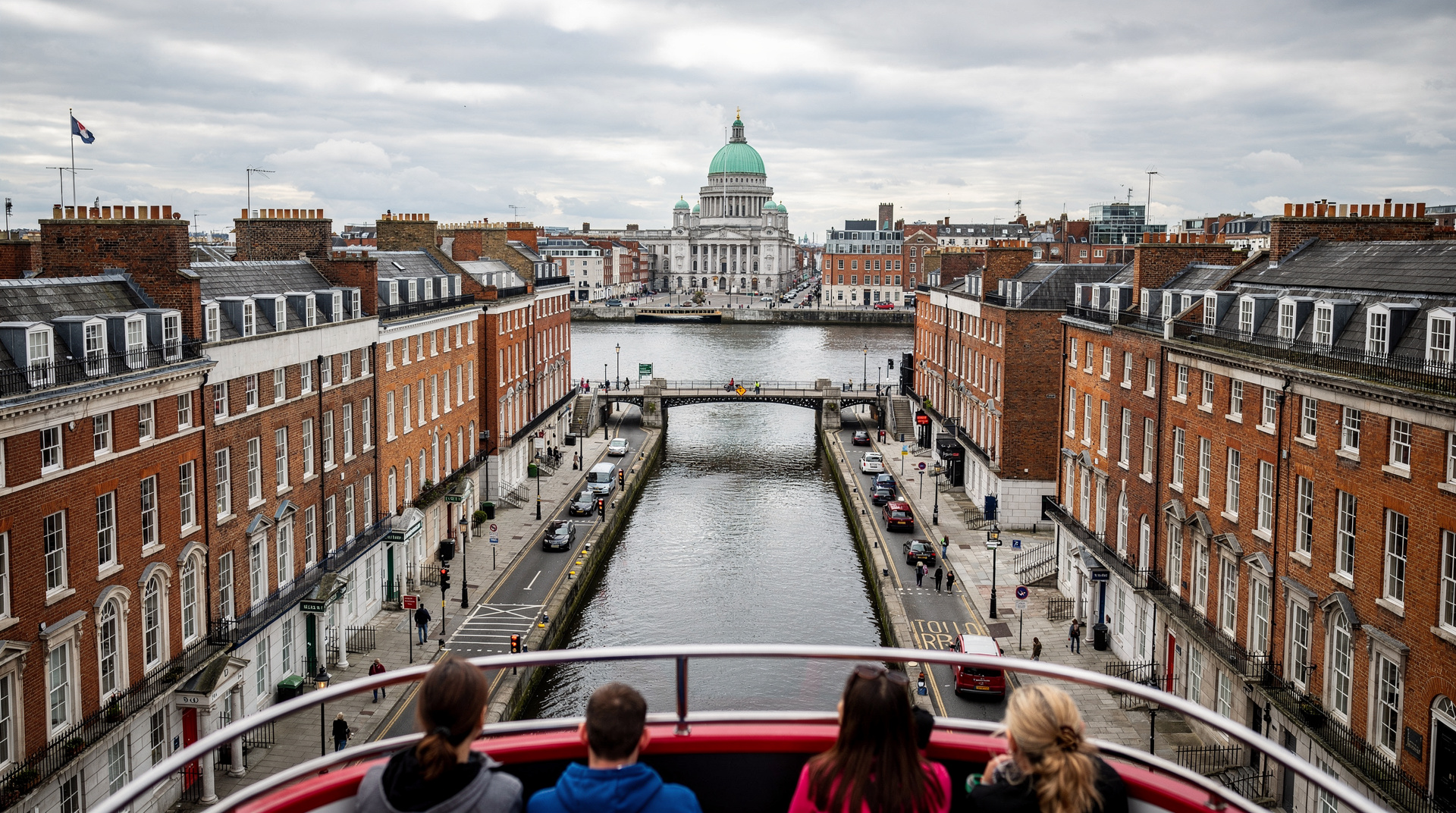
- Hop-on hop-off bus (24 hours): ~€22
The total of these ten attractions individually is approximately €148. The 3-day Dublin Pass is €119. So if you genuinely plan to visit all ten of these in three days, you save around €29 — about 20 percent. Not the claimed 50 percent, but a real saving.
The realistic scenario
Most visitors do not visit ten paid attractions in three days. A realistic mid-paced visit might include:
Guinness Storehouse + Book of Kells + one other = ~€63 individually.
The 1-day pass at €89 represents a loss of €26 for this itinerary. This is the scenario where the pass fails completely.
Guinness Storehouse + Book of Kells + Kilmainham + Dublin Castle + EPIC = ~€88 individually.
The 2-day pass at €99 is €11 more expensive for this itinerary. Still a loss, but small.
Guinness Storehouse + Book of Kells + Kilmainham + EPIC + Dublinia + hop-on hop-off = ~€109 individually.
The 2-day pass at €99 now saves €10. A modest win.
Guinness Storehouse + Book of Kells + Kilmainham + EPIC + Dublinia + hop-on hop-off + Dublin Castle + St Patrick’s = ~€130 individually.
The 3-day pass at €119 saves €11. Modest, but a genuine saving.
The break-even point
For the 1-day pass (€89), you need to visit attractions individually worth €89+. That requires the Guinness Storehouse plus three or four medium-sized attractions in a single day. Achievable but tiring.
For the 2-day pass (€99), you need individually-priced attractions totalling €99+. The Guinness Storehouse plus three other mid-size attractions gets you there. For a visitor planning the Storehouse, Book of Kells, EPIC and the hop-on hop-off, the 2-day pass essentially breaks even.
For the 3-day pass (€119), the breakeven requires around €120+ in individual admissions across three days. Add Kilmainham and Dublin Castle to the 2-day list and you cross the threshold.
The Dublin Pass with 40+ attractions makes mathematical sense for a visitor who is genuinely planning to pack in a large number of paid attractions at pace. It does not make sense for a more relaxed visit that includes a lot of free time, free attractions (the National Museum is free, the National Gallery is free, the Chester Beatty Library is free), and independent exploration.
Who the pass is good for
The pass delivers real value for: first-time visitors with limited time who want maximum coverage, visitors specifically interested in the major fee-paying attractions, people travelling with children who will be visiting family attractions (Dublin Zoo is included), and anyone who was already planning to visit five or more paid sites.
It does not deliver value for: visitors spending most of their time in pubs and restaurants, visitors focused on free cultural institutions, visitors doing day trips outside the city (the pass does not cover tours to the Cliffs of Moher, Newgrange, etc.), or visitors planning a relaxed rather than checklist approach.
What to do with the days the pass does not cover
Because the pass does not stretch beyond the city, a longer stay usually mixes pass days with days spent elsewhere. If you want to see the Wicklow hills, a guided option such as a guided full-day trip to Glendalough and the Wicklow Mountains is booked separately and sits outside any pass calculation.
Our best day trips from Dublin roundup, the Glendalough guide and the Newgrange and Boyne Valley day trip page help you decide which one earns a day. If you are not renting a car, day trips without a car from Dublin lays out the options.
A smaller pass for a lighter plan
If the full pass feels like too much, a product built around a handful of attractions can be a better fit. A pass such as the Explorer Pass for a smaller number of attractions suits a visitor who already knows which few sights they want and does not need the whole list. Run the same sums as above with your own shortlist before you buy either one.
The how many days in Dublin guide helps you settle trip length first, and the three-day planning guide shows how a short list of paid sights fits around free time. First-timers will also find the first-time guide to Dublin a useful companion.
Checking each attraction before you commit
Before buying, read the individual guides for the sights you are counting on, because whether a place suits you matters as much as whether the pass covers it. The Dublin Castle guide, Christ Church Cathedral guide and St Patrick’s Cathedral guide cover the old-centre cluster.
The EPIC museum guide and the Dublinia Viking guide help you judge two of the pricier museum entries, and the Dublin Zoo guide matters if you are travelling with children. For the bus element of the sums, see which hop-on hop-off bus to choose.
The queue-skipping question
The Dublin Pass includes skip-the-line access at some venues, notably the Guinness Storehouse. In peak summer (July-August), the Storehouse queue can add 45 minutes to your visit. If you were going anyway, skip-the-line access has real value beyond the monetary saving. This is harder to put a number on but worth factoring in. Note that a handful of included attractions, Kilmainham Gaol among them, still require you to book a specific entry time even with the pass — see our booking attractions in advance guide for which ones.
Families and group visits
The maths shifts a little for families. Children’s pricing on individual tickets is often 40-50% of the adult rate, which narrows the gap between the pass and paying separately, since the pass itself typically has a lower child rate too. If you’re planning several attractions with kids in the mix — Dublin Zoo, EPIC, Dublinia all rate well with children — run the calculation with the actual child prices rather than assuming the adult savings scale proportionally. The Dublin with kids guide has a fuller family-specific attraction list to help build the itinerary the pass would need to cover.
Comparing to the two biggest individual tickets
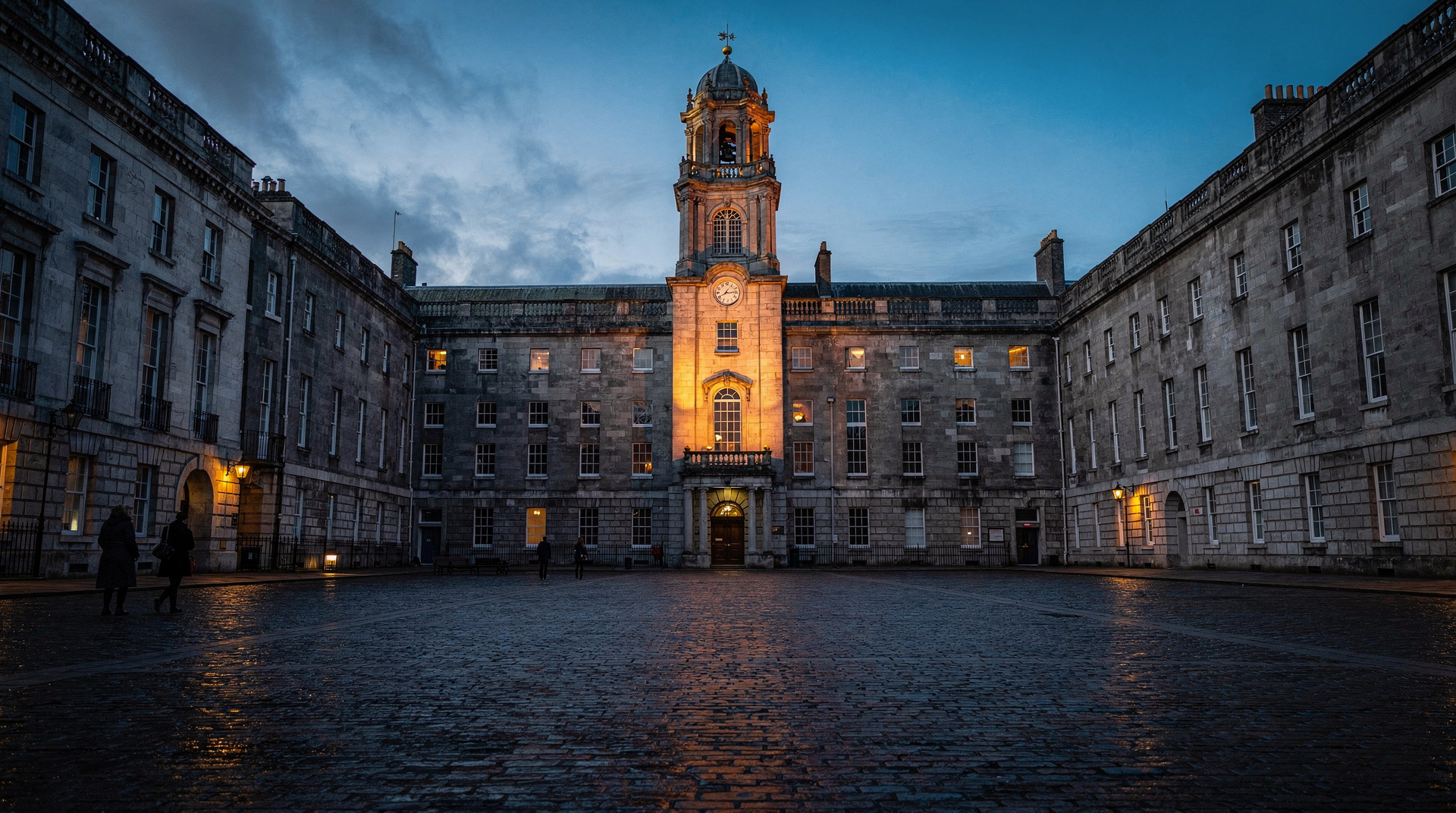
The Guinness Storehouse and the Book of Kells are the two attractions almost every visitor includes regardless of whether they buy a pass. Our dedicated guides — Guinness Storehouse and Book of Kells and Trinity College — cover booking specifics for each, including which time slots sell out first. If those two plus Kilmainham Gaol (see the Kilmainham Gaol guide) are your core itinerary, that’s already close to the 2-day pass break-even point calculated above.
Building the pass around your route
The pass only pays off if the attractions sit in a sensible order. Grouping them by area keeps you from burning time on transport between sites, and time is the other currency the pass is supposed to save. If you are still deciding how to move around the city, the getting around Dublin guide and the Leap Card guide explain how the transport options fit together with a sightseeing plan.
A day built around the old centre works well: the castle, the cathedrals and the Book of Kells sit close enough that you can walk between them. If you want a ready-made order to follow, the one day in Dublin itinerary and the three days in Dublin itinerary show how paid attractions and free time can be mixed without rushing.
When individual tickets win
There are trips where the pass simply loses, and it is worth saying so plainly. If you want the Storehouse and a long evening in a pub, you are better off buying one ticket. Anyone leaning on free museums should read the free museums in Dublin guide before spending anything on a pass, because a lot of the city’s best cultural time costs nothing. And if cost is the main concern, the Dublin on a budget guide looks at where the money actually goes across a whole trip, not just on admissions.
My honest recommendation
If your itinerary includes the Guinness Storehouse, the Book of Kells, one or two other paid museums, and a hop-on hop-off bus, the 2-day or 3-day pass will roughly break even and may save a modest amount. Buy it. If your itinerary is two big attractions plus lots of walking, eating and pub time, buy individual tickets.
The detailed Dublin Pass guide has a full attraction list with current prices. The individual tickets vs pass comparison goes deeper on specific combinations. The maths is not complicated — it just requires being honest about what you’ll actually do rather than what you optimistically plan.
Frequently asked questions about Dublin Pass
Does the Dublin Pass cover day trips like the Cliffs of Moher or Newgrange? No. The pass is scoped to Dublin city attractions. Day trips outside the city need to be booked separately regardless of which pass length you choose.
Can I upgrade from a shorter pass if I decide to stay longer? Not directly — the Dublin Pass is sold as a fixed-duration product, so if you’re unsure how long you’ll need, it’s generally safer to run the maths on your likely itinerary first rather than buying the shortest option and hoping to extend it.
Top experiences
Bookable activities with verified prices and instant confirmation on GetYourGuide.