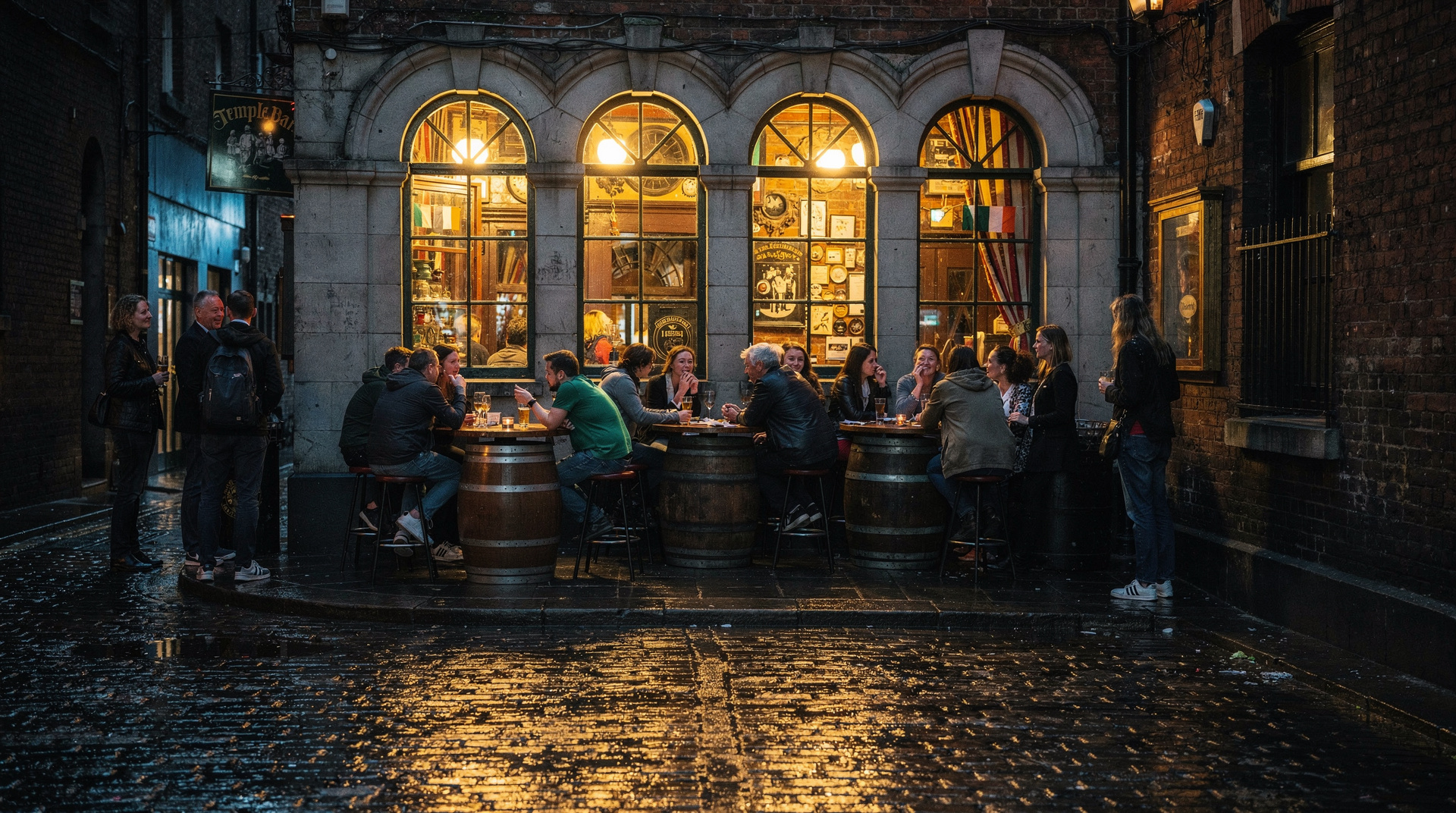
Dublin on a budget — 2023 update
Dublin will never be a cheap city, but it is a manageable one once you know which prices are fixed and which are optional. This update walks through the real 2023 numbers — accommodation, food, pints, transport — and separates the costs you can’t avoid from the ones that are entirely self-inflicted.
| Budget/day | €70-100 (hostel, free museums, cooking some meals) |
| Mid-range/day | €150-200 (guesthouse, restaurant lunch, pub dinner) |
| Biggest saving | Free national museums + Leap card capped fares |
| Biggest trap | Temple Bar and Grafton Street restaurant dinners |
| Best value trick | Lunch menus instead of dinner at the places you want to try |
The honest 2023 picture
Dublin is not a cheap city. It hasn’t been for a long time, and the inflationary period of 2022 and 2023 pushed prices noticeably higher across accommodation, food, and the tourist economy. Anyone doing this trip with a 2019 budget is going to find themselves surprised.
The purpose of this update is to give you an accurate picture of what things actually cost in early 2023, and to show where the genuine savings are — because there are real savings to be made, if you know where to look and what to skip.
Accommodation: the realistic range
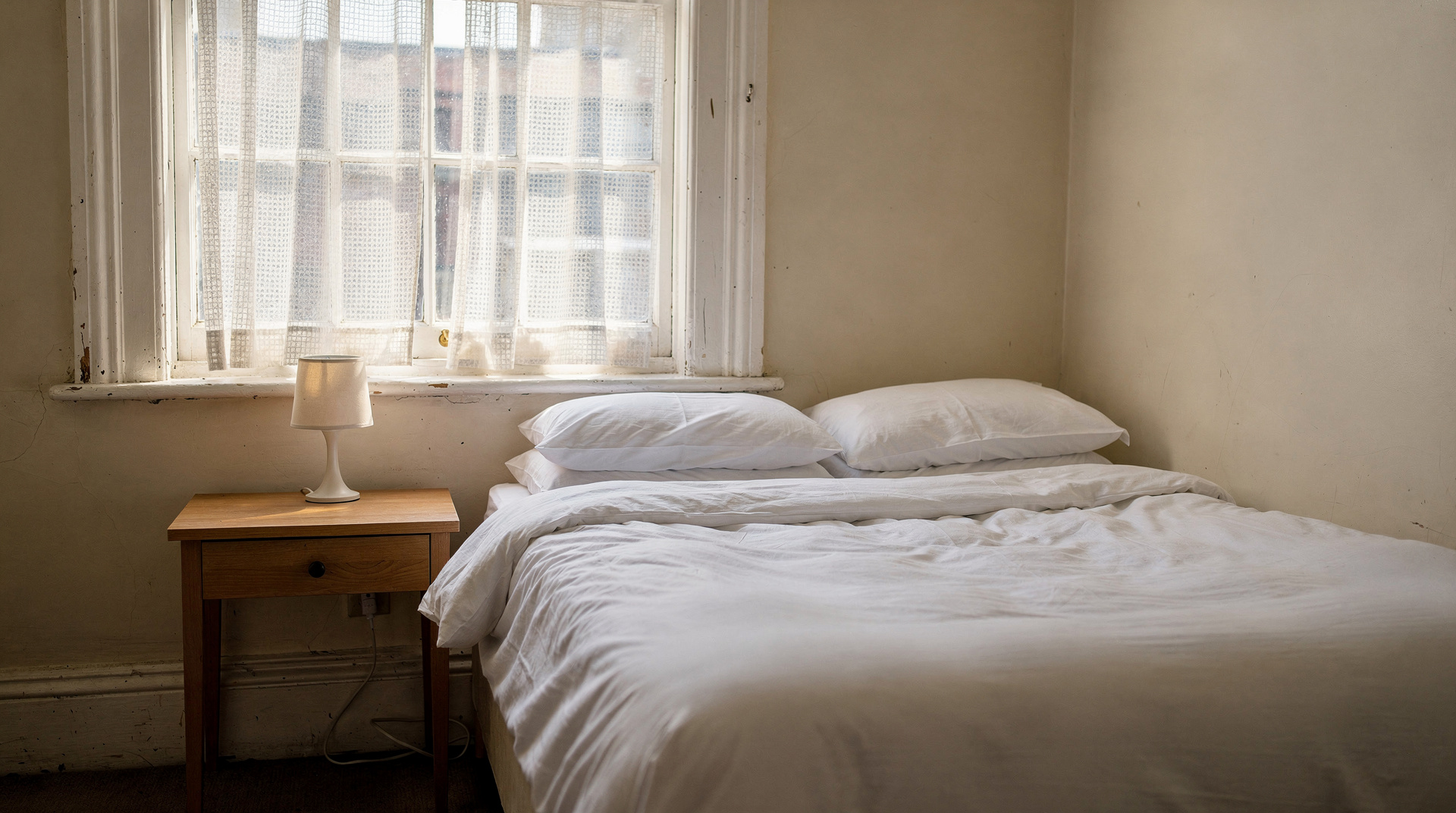
Budget: a bed in a hostel dormitory in or near the city centre costs €30-40 per night in off-peak periods, €45-60 in summer. Private rooms in budget guesthouses start around €100 per night. Anything significantly cheaper than this requires either booking very far ahead, staying outside the centre, or accepting conditions that reviews on booking platforms describe with the creative ambiguity of people who are trying to be fair.
Mid-range: a decent three-star hotel in the city centre runs €150-200 per night in shoulder season, €200-280 in summer. These prices were materially higher in 2022-2023 than in previous years, driven by reduced supply and strong demand. Book early for summer travel — the gap between January bookings and June bookings on the same room can be €60-80 per night.
The most consistent budget strategy: stay slightly outside the obvious central zone. Rathmines, Ranelagh, or Phibsborough are fifteen to twenty minutes from the city centre by bus or on foot, and the accommodation is meaningfully cheaper while still being walkable to most things you’d want to do.
Food: where the money goes and where to save
The cost trap in Dublin food is the obvious tourist circuit. A meal in a restaurant near Temple Bar or on Grafton Street costs €25-35 per person for a main course and a drink. This is not a rip-off in the absolute sense — the food is often fine — but it’s the premium you pay for location, and the same quality is available elsewhere for less.
The practical strategy: eat lunch rather than dinner at the places you most want to try. Most Dublin restaurants with serious food run lunch menus at significantly lower price points than their evening equivalents. A restaurant where dinner costs €35 per main course will often have a two-course lunch for €18-22.
For more economical eating: the market stalls in George’s Street Arcade and the area around Meeting House Square in Temple Bar (despite the location, not all of it is expensive) have good food at €8-12 per meal. The Eatyard on South Richmond Street — a collection of food trucks in a covered outdoor space — has a rotating selection of good casual food. Neighbourhood cafés in Portobello, Rathmines, or Stoneybatter run full Irish breakfasts for €10-12.
Pints: the truthful version
Pints in Dublin cost €6.50-7.50 in ordinary city pubs in 2023. This is roughly where they’ve been for a while and is the baseline to expect.
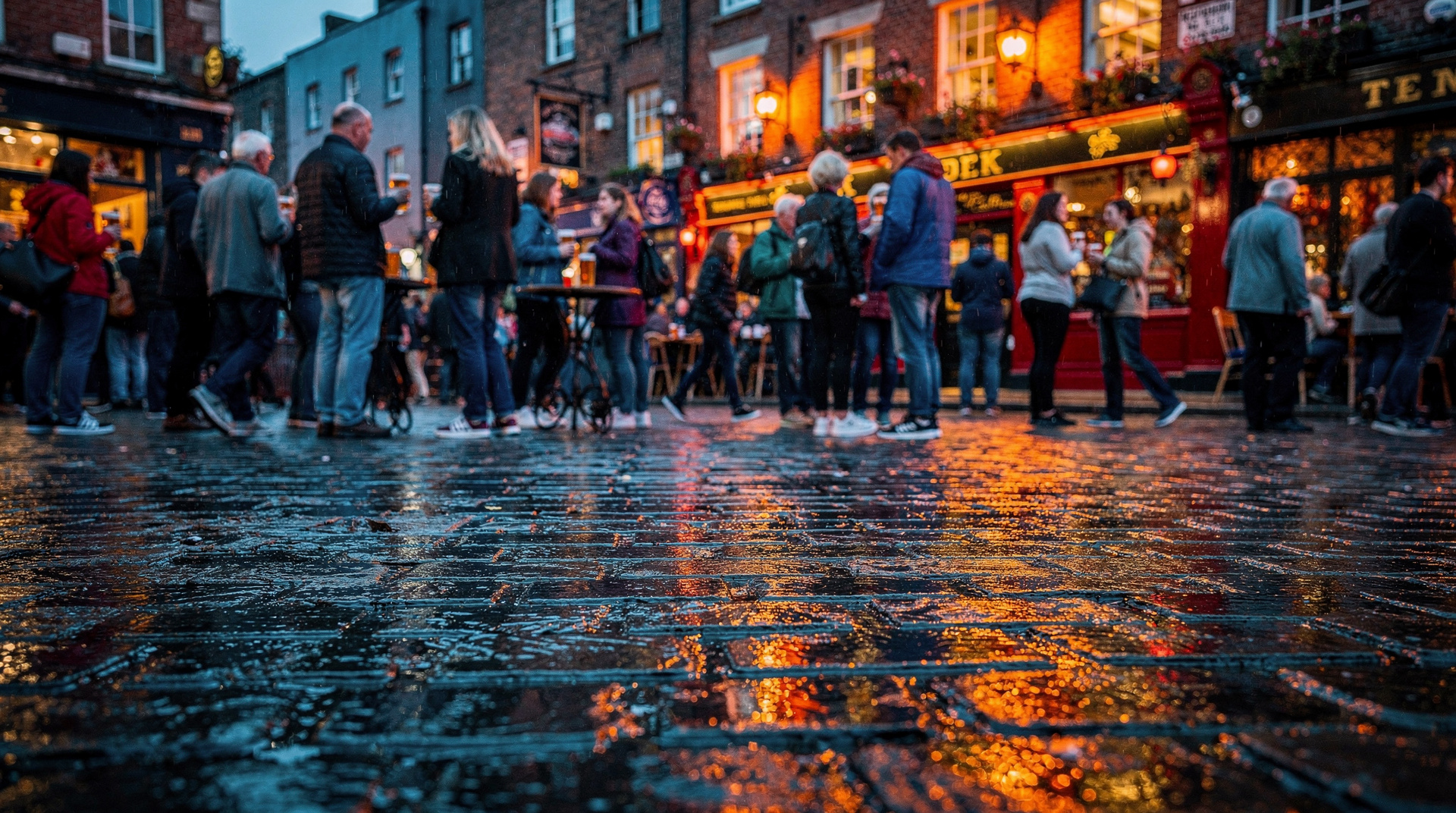
In Temple Bar, certain bars charge €8-9.50 per pint. This is a premium for location and atmosphere that you are entirely free to pay; it’s just worth knowing that the same pint costs €1.50-2 less three streets away. Our honest assessment of what’s actually a rip-off in Temple Bar covers this in more detail.
The free end of the drinks economy: Dublin has an excellent coffee culture, and a good flat white costs €3.50-4 in most independent cafés. This is comparable to London and considerably less than many major cities.
The free attractions are genuinely good
This is the part of the Dublin budget story that saves more money than anything else: the city’s best museums are free.
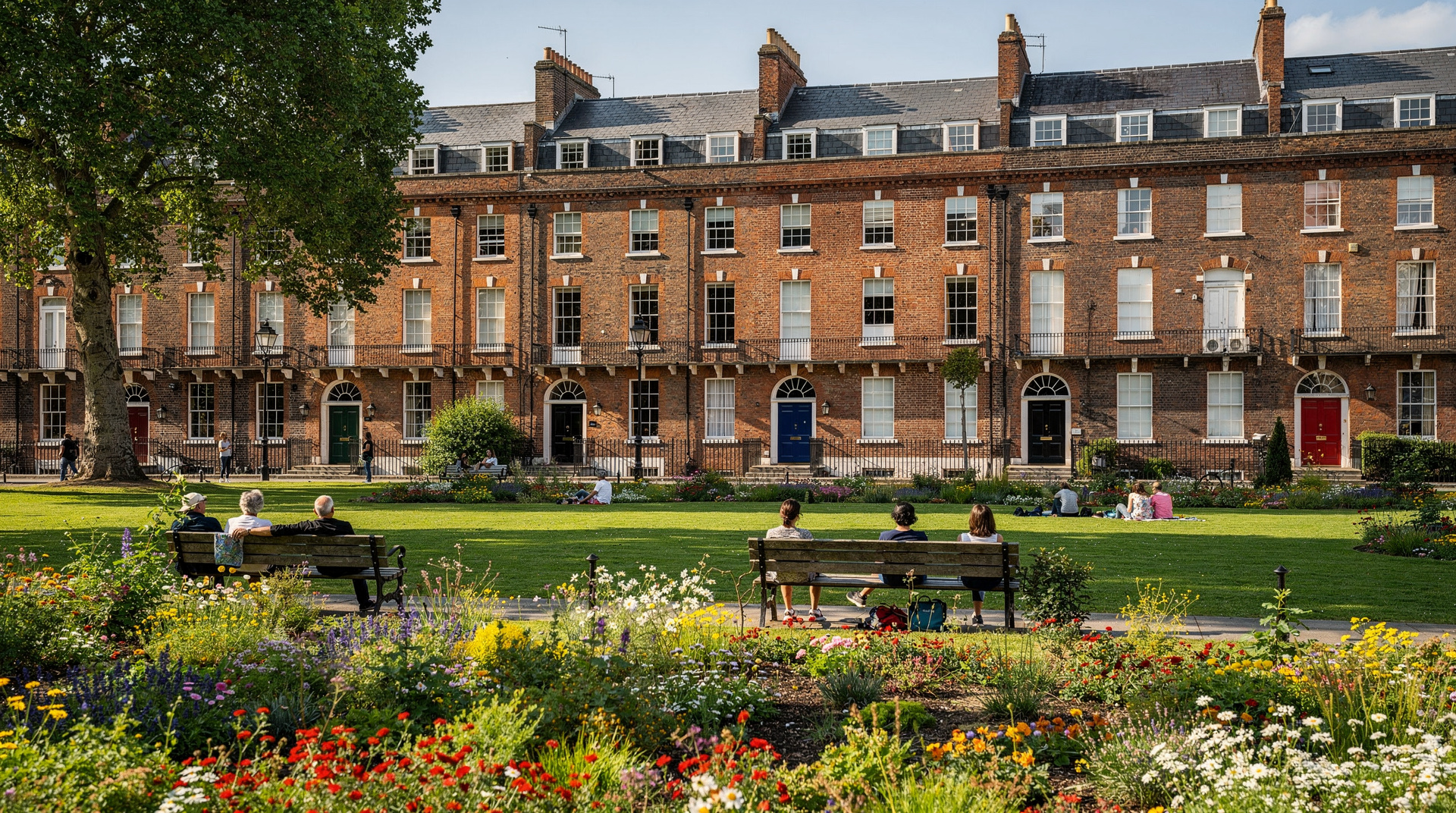
The National Museum of Ireland on Kildare Street (Irish antiquities — the Broighter Gold, the Tara Brooch, the bog bodies) is free. The National Gallery (Irish and European painting from the medieval period onwards, including a significant Caravaggio) is free. The Natural History Museum — a Victorian natural history museum largely unchanged from its nineteenth-century installation, nicknamed “the Dead Zoo” by Dubliners — is free. The Chester Beatty Library in Dublin Castle grounds (Islamic manuscripts, Japanese screens, early printed books) is free. Merrion Square, the Georgian squares, the riverside walks — all free.
Our full rundown of Dublin’s free museums gives opening hours and what not to miss in each. A day spent among these institutions costs nothing beyond coffee and lunch.
The paid attractions: when to buy and what to skip
The Guinness Storehouse at approximately €26 online is the most-visited paid attraction in Ireland. Whether it’s worth the money depends on your interests — if you haven’t been before and you’re interested in the history of the drink and the city, yes. If you’ve been before, probably not. Our is it worth it assessment is honest about this.
The Dublin Pass (from around €89 for one day) covers 40+ attractions including the Guinness Storehouse, Kilmainham Gaol, and several others. The Dublin Pass maths only works if you’re doing three or more paid attractions in a single day, which requires discipline and tolerance for queues. Two paid attractions per day makes the individual ticket the better option.
For those planning to visit the Storehouse, the Book of Kells, and Kilmainham Gaol in a single day, the Pass covers the entry cost of all three and starts to look good. Below that level, buying tickets individually is usually cheaper.
The small costs nobody warns you about
Beyond the headline categories, a handful of small costs add up quietly over a week in Dublin. SIM cards or eSIMs for data cost €15-25 for a tourist-length package — buy before you land if possible, as airport kiosk prices run higher. Laundry, if you’re staying more than four or five nights, is worth budgeting €10-15 for a launderette service wash rather than paying hotel laundry rates, which can run to €5 per item. Umbrellas are cheap everywhere (€5-8 from any newsagent) and worth buying rather than packing, since you will need one and Ryanair-style luggage limits punish bulky items. Public toilets are rare in the city centre; using a café’s is the norm, which is one more reason the €3.50 flat white is good value rather than an indulgence.
Tipping is genuinely optional in Dublin, unlike in the United States. Round up a taxi fare, leave 10% in a sit-down restaurant if the service was good, and don’t feel obliged in pubs at all — this alone saves visitors used to American norms a meaningful amount over a week.
A comparison worth doing before you book
| Spend level | Accommodation | Food | Typical day |
|---|---|---|---|
| Budget | Hostel dorm, €30-60 | Market stalls, self-catering | Free museums + Dublin on a budget |
| Mid-range | 3-star hotel, €150-200 | Lunch out, pub dinner | One paid attraction, e.g. Book of Kells |
| Comfortable | 4-star hotel, €250+ | Restaurant dinners | Multiple paid attractions + tours |
The gap between budget and mid-range is almost entirely accommodation and dinner choices — the free museums and the DART are the same experience regardless of what you’re spending on your bed.
Transport: the Leap card situation
The Leap card — Dublin’s stored-value transport card — covers buses, the Luas tram, and the DART coastal railway. Loading €20-25 onto one at the airport is one of the first and best things to do on arrival: the card gives capped daily and weekly fares that make getting around the city significantly cheaper than paying cash.
A day of moderate transport use (two to three journeys) caps at €6 on the Leap card (€24 a week). The equivalent cash fare for the same journeys would be about €12-14.
Dublin Bus routes 16, 19 and 41 run from the airport to the centre at the normal Leap fare (€2 for 90 minutes), while the Aircoach 700 costs €9 one way online and is not covered by the Leap card. Taxis from the airport run €25-40 depending on traffic. For solo travellers, the bus is almost always better value.
Where else to save: pubs, music and getting around
Evenings are where a budget quietly leaks. A seat at a traditional music session in a pub costs no more than the drink in your hand, which makes it one of the best-value nights out the city offers. If you have never been to one, the session etiquette guide will help you enjoy it without feeling out of place, and our pub guide for locals’ favourites points you away from the priciest rooms.
Getting around is the other easy win. The Leap card guide explains how the stored-value card works, and the DART and Luas guide shows how far a single day of cheap rail and tram travel can take you. For the airport leg, Dublin Airport to the city compares the options so you can pick the cheapest one that suits your arrival time.
Cheap days out beyond the centre
Some of the best low-cost days are on the coast. The DART coastal day out strings together seaside villages on one rail line, and the Howth cliff walk is a walk rather than a ticketed attraction. Dalkey village pairs well with it if you want a second easy stop. Both fit comfortably into a plan built around free sights, and the self-guided Dublin walk gives you a route through the centre without paying for a guide.
If rain is forecast, the rainy day guide lists indoor options so a wet afternoon doesn’t push you into an expensive impulse decision.
Planning the whole trip around a budget
Cost is only one part of a good plan. The Dublin first-time guide helps you decide what is worth paying for, and the three-day planning guide shows how to pace a short stay. Choosing a base matters too, and the where to stay guide compares neighbourhoods. If you are weighing a longer trip, how many days in Dublin is a useful companion, and the 3-day itinerary puts the free-museum approach into a day-by-day shape.
Spending a little on purpose
A budget trip does not have to mean spending nothing. The smartest approach is to pick one or two paid experiences that you will remember and let the free museums and walks carry the rest of the days. Food is often the best place to do this, because a guided tasting replaces a restaurant dinner rather than adding to it. If you want to eat well without guessing which places are worth it, a walking food tour with a local chef covers several stops in one go, and our food tours guide compares the options. Treat it as your main meal of the day and keep breakfast and lunch simple.
The same logic applies to the Guinness Storehouse. If it is on your list, a Guinness Storehouse ticket that includes a pint folds part of your evening drink into the entry price. The ticket options explained are worth reading first, and the guide to where to drink Guinness shows how to enjoy a good pint elsewhere without paying tourist-room prices.
Other low-cost ideas worth a look: the markets and street food guide for cheap, good meals; the traditional Irish food guide to know what to order; and the best restaurants guide for the occasional proper sit-down meal. If you are travelling alone, the solo travel guide has advice on keeping costs down, and the scams to avoid page protects the money you have already budgeted. A first-hand view of the pass question is in the Dublin Pass maths, and the weekend foodie itinerary shows how a food-led short stay can fit together.
A realistic budget per day
Budget traveller (hostel, cooking some meals, free museums, one paid attraction): €70-100 per day.
Mid-range (guesthouse or three-star hotel, restaurant lunch, pub dinner, one or two paid attractions): €150-200 per day.
Comfortable (four-star hotel, dinner at decent restaurant, tours): €250-350+ per day.
These figures assume summer 2023 prices and will be somewhat lower in shoulder season (February-April, October-November). Our detailed Dublin trip cost guide works through the categories in more detail with specific current prices.
The bottom line: Dublin rewards knowing where to save. The free museums are world-class. The pints two streets from Temple Bar are the same pint. The DART is excellent and cheap. Anyone with a Dublin on a budget approach can have a genuinely good visit without spending at tourist-trap prices.
If your itinerary genuinely includes three or more paid attractions in a day, it’s worth running the numbers on the Dublin Pass covering 40+ attractions before you arrive, since it needs to be pre-purchased to make sense.
Frequently asked questions about Dublin on a budget — 2023 update
Is Dublin more expensive than London or Paris? Broadly comparable to London on accommodation and dining, and noticeably more expensive than Paris on pints and casual food. Where Dublin wins back ground is free museums — the National Museum, National Gallery and Natural History Museum cost nothing, which isn’t true of most Parisian equivalents.
What’s the single best money-saving move for a short trip? Load a Leap card at the airport on arrival. The capped daily and weekly fares make every subsequent bus, Luas or DART trip cheaper than paying cash, and it removes the friction of buying individual tickets all week.
Top experiences
Bookable activities with verified prices and instant confirmation on GetYourGuide.