Belfast day trip from Dublin: what I learned going twice
Two hours north and a different world
The Enterprise train leaves Dublin Connolly at regular intervals throughout the day and arrives in Belfast Central two hours later. In that two hours, you cross the border — which you will not notice unless you’re watching your phone roaming settings — and arrive in a city that shares a language with Dublin, shares a history, shares rain and wit and a particular quality of welcome, but feels unmistakably different. The scale is different, the architecture is different, the political geography is written on the walls in a way that has no equivalent in the Republic.
I went twice. The first time I did it wrong. The second time I did it better, and what follows is the product of both trips.
| Where | Belfast, 2 hours north of Dublin by train |
| Cost | Around £15-25 return train fare; museum tickets extra |
| Time needed | A full day, ideally two |
| Getting there | Enterprise train from Dublin Connolly, or a guided day tour |
| Currency | Pounds sterling (£), not euros |
The practical realities first
Northern Ireland uses GBP (£), not euros. This is the thing that catches people off guard most often on a Dublin day trip. Your contactless card will work everywhere, but if you are paying for anything in cash, you need pounds. There are ATMs at Belfast Central station. The current bus fare, a pint in a city-centre pub, and a museum entry are all priced in sterling.
US visitors — and this is important — should be aware of the UK Electronic Travel Authorisation (ETA). As of 2024, US citizens need an ETA (£10, valid two years) for visits to Northern Ireland. This is separate from the visa-free access to the Republic of Ireland. It can be applied for online before travel and is processed quickly, but you need to do it in advance. EU and Republic of Ireland citizens do not need it. The Dublin-to-Belfast transport guide has up-to-date entry notes.
What I got wrong on the first visit
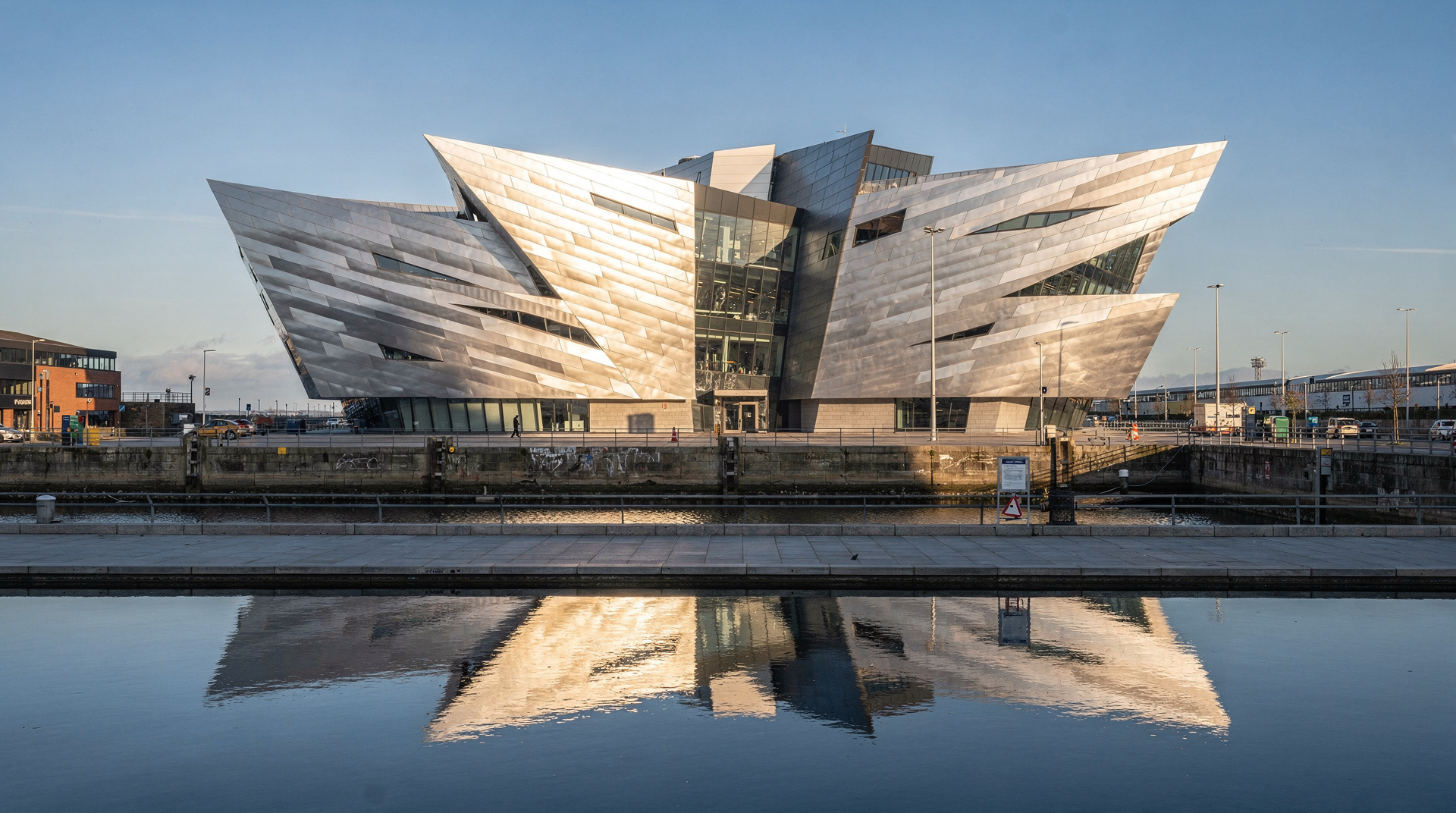
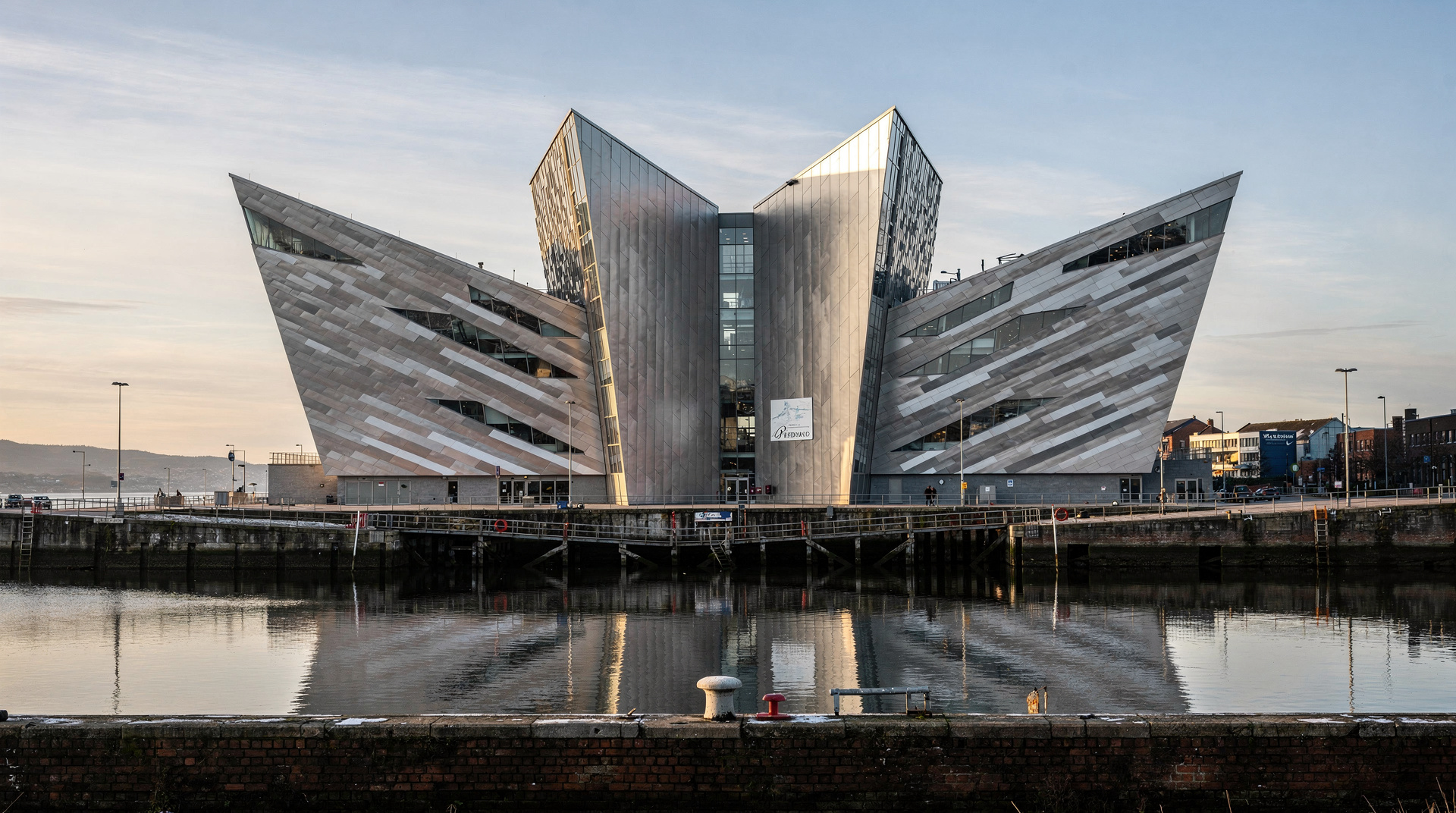
I went to the Titanic Quarter immediately, as instructed by every travel article, and it was good. The Titanic Belfast museum is genuinely excellent — it covers the construction, launch, voyage and sinking across nine interactive galleries, and the building itself is dramatic, its angular prow designed to echo the ship’s bows. I spent two and a half hours inside and didn’t feel rushed. I would recommend it to almost anyone.
What I got wrong was leaving the Titanic Quarter and going back to the train station. I had done the Big Famous Thing and I assumed I had done Belfast. I hadn’t. The city I experienced through the museum was the city as heritage product. The actual city — the Cathedral Quarter, the political murals, the market, the pubs — I missed almost entirely.
What I got right the second time
Cathedral Quarter first. This is Belfast’s arts and bar district, centred on Hill Street and the streets around it. Morning coffee at one of the independent cafes, then a walk through the Cathedral Quarter into the city centre proper. The Crown Liquor Saloon on Great Victoria Street is a Victorian gin palace — gas lamps, carved wooden snugs, mosaic floor — and it is run by the National Trust. Going there for lunch (the chowder is good) and spending thirty minutes looking at the interior properly is time well spent.
Then the murals. The political murals on the Falls Road (nationalist) and Shankill Road (unionist) are one of the most distinctive things in these islands. They are not simply street art — they are a visual record of the Troubles and the peace process, continually updated, telling different and sometimes contradictory stories about the same events from the same city.
A black cab tour is the most efficient way to understand the geography; the drivers are typically from one community or the other and know how to explain the context without polemic. The Belfast black taxi tour covers both the Falls and the Shankill and takes about 90 minutes. It is one of the best cultural experiences I’ve had on any trip, anywhere.
The Titanic museum and how to do it
For a first visit, the Titanic museum is non-negotiable. Book in advance online (cheaper and you pick your slot). Combine it with a walk along the Titanic slipways outside, where the ship was built, and up to the SS Nomadic — the only surviving White Star Line vessel, moored outside and included in combination tickets. Allow three hours for the full complex.
The Titanic Quarter is about fifteen minutes’ walk from the city centre along the river, or a short taxi. If you’re coming on an organised day trip from Dublin, the Belfast full-day tour with Titanic experience handles the logistics, picks you up in Dublin and returns you in the evening. Given the two-hour train journey each way, having the day structured saves you from losing half of it to transit decisions.
Food and pubs
The Belfast food scene has improved dramatically over the past decade and the city now has restaurants that would hold their own in any major European city. The Cathedral Quarter has several good options — Ox (upscale, locally sourced), Home (modern Irish), the St George’s Market on a Friday or Saturday morning (indoor Victorian market with excellent street food stalls). The market is one of the better things in Belfast and often missed by visitors who arrive after it closes.
Pubs: The Crown Liquor Saloon is the famous one. The Duke of York in the Cathedral Quarter has a tiled alley entrance and a good whiskey selection. The Dirty Onion is loud and touristy but has a courtyard that works in decent weather. For a quieter, more local experience, the pubs around Botanic Avenue near Queen’s University are a different crowd.
If a taxi isn’t your thing
The black taxi tour is the most efficient way to see the murals, but it’s not the only way. A self-guided walk along the Falls Road and Shankill Road works too, if you’d rather go at your own pace and read the plaques properly — just budget more time and expect to backtrack, since the two roads aren’t adjacent. There’s also a dedicated walking version of the mural tour that covers the peace walls on foot rather than from a cab window.
Belfast Troubles murals and peace wall walking tourOur general Belfast day trip guide and the Belfast destination overview both go further into planning a full day or two, including hotel areas if you decide to stay over.
One day or two
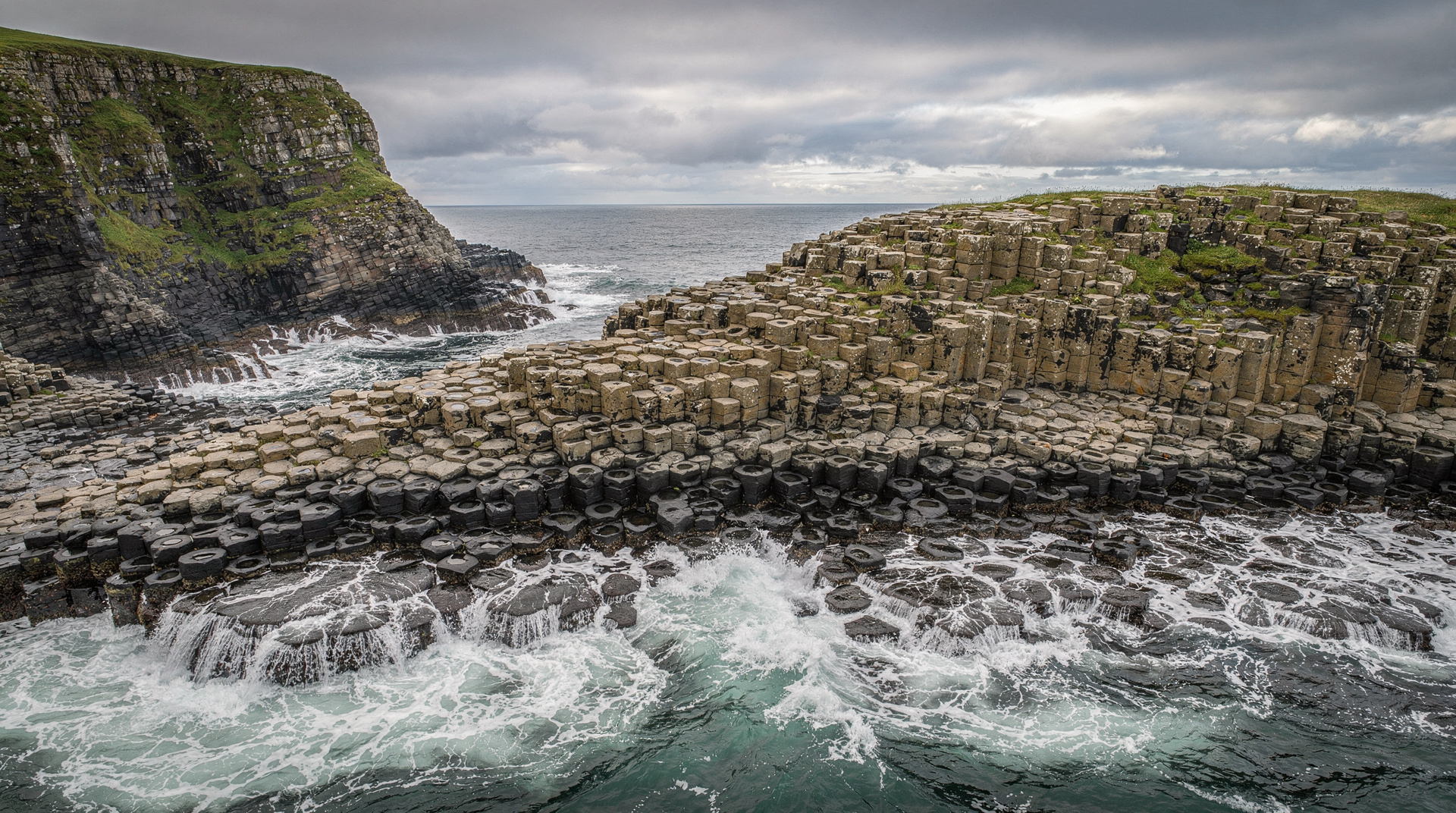
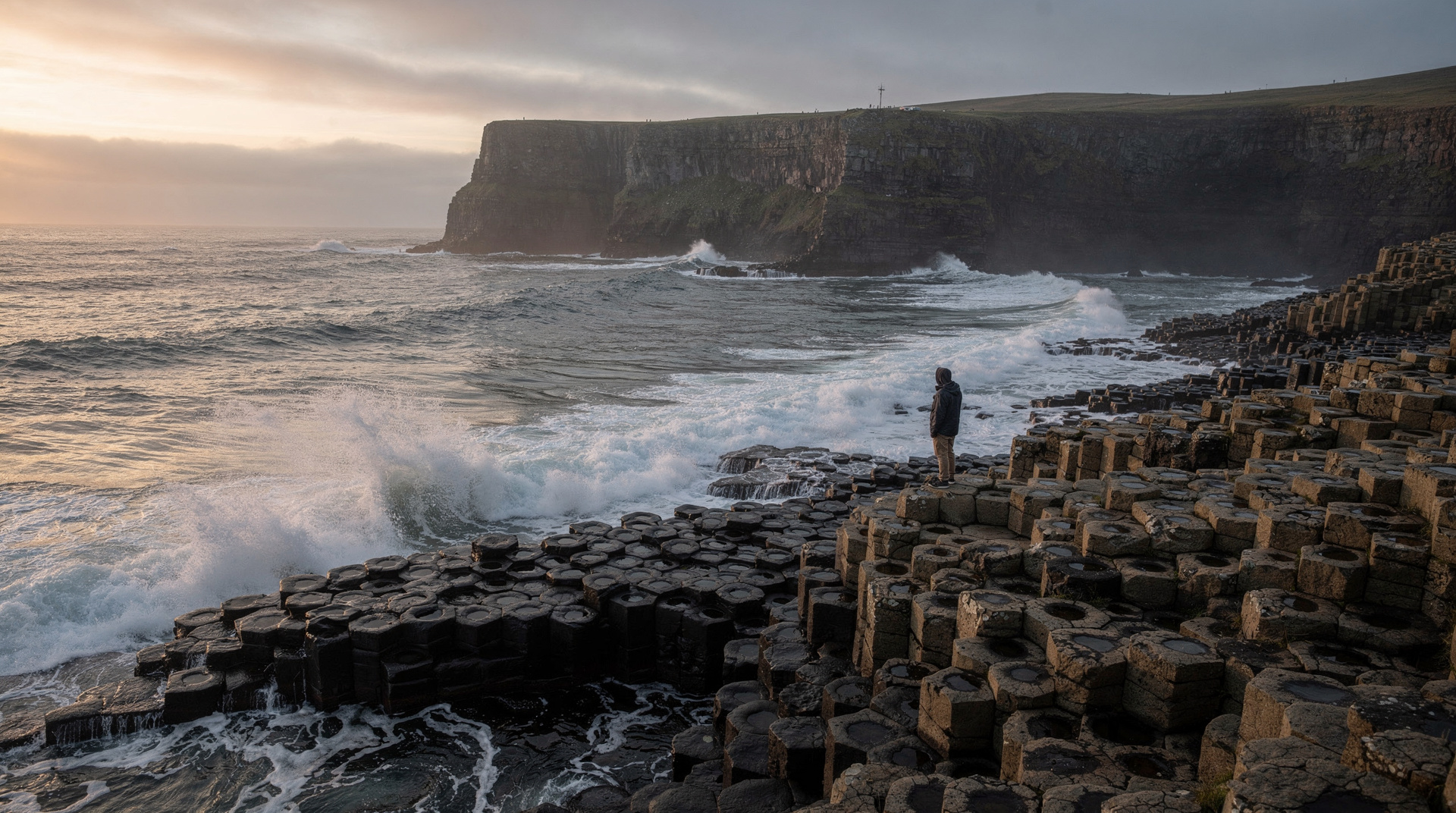
One day from Dublin is genuinely possible, but two days is better. Belfast rewards time. The 3-day Dublin and Northern Ireland itinerary does this well: day one Belfast proper, day two the Causeway Coast (Giant’s Causeway, Dark Hedges, Carrick-a-Rede rope bridge), day three back to Dublin. The Giant’s Causeway day trip from Dublin is also available as a standalone, but pairing the two makes more sense if you are travelling from Dublin.
If you’re weighing Belfast’s Causeway Coast against Dublin’s own Cliffs of Moher, that comparison guide lays out the honest trade-offs; I’ve also written up a longer, more critical review of the Giant’s Causeway day trip if you want the unfiltered version before booking.
One day in Belfast, roughly
| Time | What |
|---|---|
| Morning | Enterprise train from Dublin Connolly, arrive Belfast Central |
| Late morning | Cathedral Quarter coffee, then Titanic Belfast (allow 2.5-3 hours) |
| Early afternoon | Lunch at the Crown Liquor Saloon or St George’s Market (Fri/Sat) |
| Afternoon | Black taxi tour of the murals, Falls and Shankill |
| Evening | Train back to Dublin, or stay over if doing two days |
The honest bottom line
Belfast is not Dublin with different signage. It is a separate city with its own particular history, energy and culture, and it is worth treating it as such rather than as a themed extension of an Irish holiday. The Titanic museum is very good, the murals are genuinely affecting, the food and pubs are excellent, and two hours by train is no real obstacle. The only thing that makes a Belfast day trip go wrong is arriving with a checklist of one item and treating it as done when the checklist is ticked.
Give it the whole day. Come back if you can.
Top experiences
Bookable activities with verified prices and instant confirmation on GetYourGuide.