Dublin Zoo and Phoenix Park guide
Dublin: Dublin Zoo entry ticket
Duration: 1 day
- Free cancellation
- Instant confirmation
Is Dublin Zoo worth visiting?
Yes for families — it is a well-maintained, large zoo in the extraordinary setting of Phoenix Park, Europe's largest enclosed urban park. Adult tickets cost around €24–€26 and can be booked online to skip the entrance queue. Combine the zoo with a Phoenix Park walk or deer-spotting for a full day out that doesn't require a car.
Europe’s largest urban park and a zoo with 900 animals
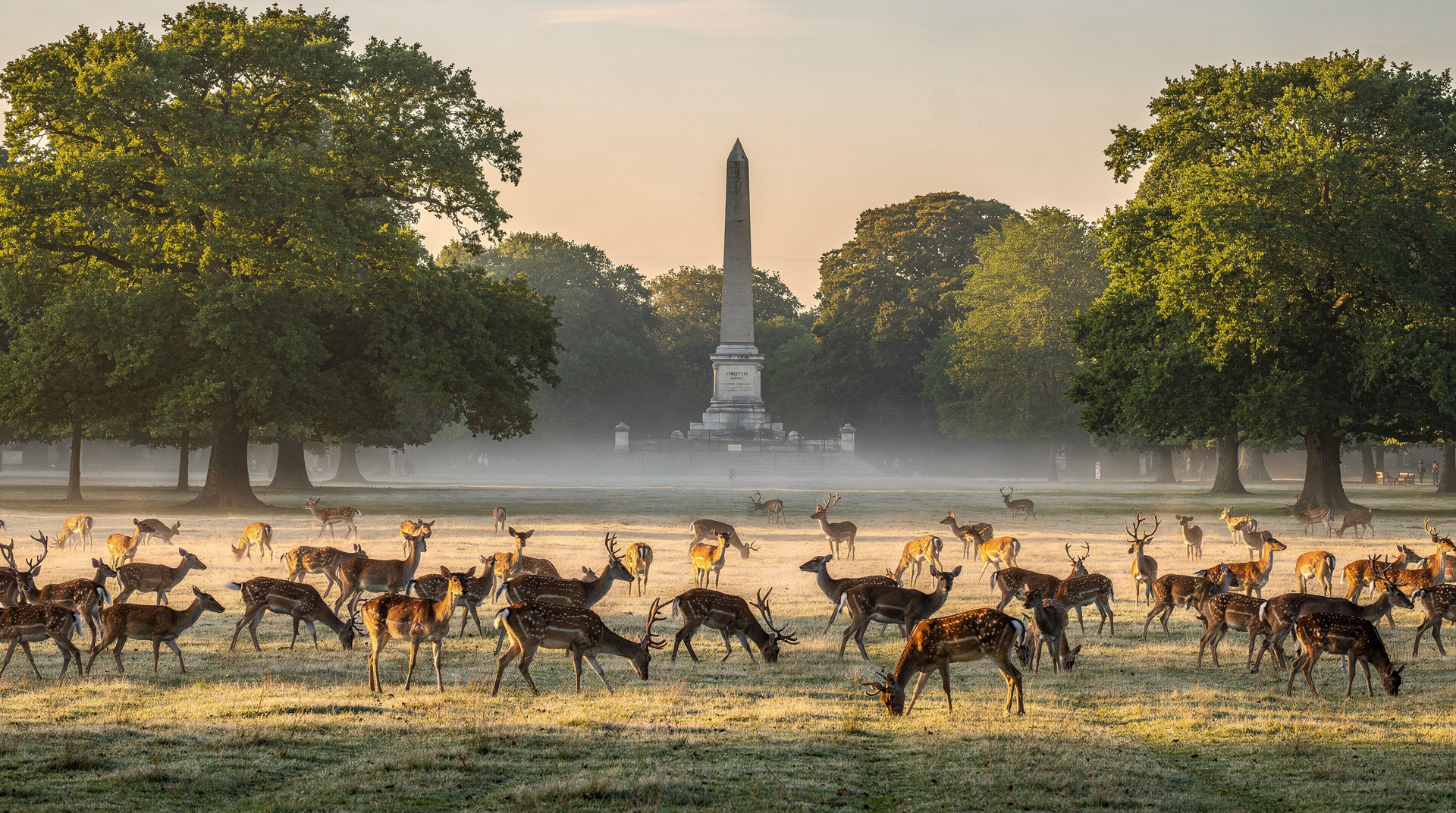
Phoenix Park covers 1,750 acres on the north-west edge of Dublin city, making it larger than New York’s Central Park, London’s Hyde Park, and Paris’s Bois de Boulogne combined. It is a genuine wilderness within a capital city: 600 fallow deer roam freely through open grassland and woodland, and on a quiet morning in the park’s interior you could almost forget the city exists.
Dublin Zoo occupies 28 acres in the south-east corner of the park and has been operating since 1831 — making it one of the oldest zoos in the world. It holds around 900 animals across habitats that have been substantially rebuilt in recent decades. The combination of a serious modern zoo and one of Europe’s finest urban green spaces makes this one of the strongest full-day options in Dublin, particularly for families.
| Where | Phoenix Park, ~4 km west of the city centre |
| Zoo cost | Around €22–26 adults, €16–18 children (online) |
| Park cost | Free — open 24 hours |
| Time needed | Half day: 3–4 hrs zoo, 1–2 hrs park |
| Getting there | Bus 37/38/39/70, Luas Red Line + walk, or taxi |
Dublin Zoo: what to see and plan
The zoo is large enough to require a plan. Pick up the printed map at the entrance or download the digital guide before you arrive. The site is arranged around a series of habitats, with the longest walks connecting the outer areas.
African Savanna is consistently the most popular area. The open plain design gives giraffes, white rhinos, ostriches, and zebras room to behave naturally and gives visitors the experience of looking at them from relatively close quarters. The giraffe feeding station (usually at set times, check the board at entrance) allows close contact.
Kaziranga Forest Trail covers the Asian section: elephants, Sumatran tigers, snow leopards, and the impressive giant otter habitat. The elephant presentations run at scheduled times and are worth planning around.
African Plains holds meerkats, flamingos, and a busy section for younger children including a farmyard area where staff bring out animals for handling. The Nakuru Bird Safari aviary has free-flight species.
Sea Lions in the central lake area do feeding sessions that are timed events listed on the daily schedule. Arrive 10 minutes early for a good viewing position.
The Orangutan Forest and Gorilla Rainforest habitats in the south part of the zoo are large, well-designed enclosures, and the animals are generally active during morning visits.
Buying tickets and skipping the queue
Dublin Zoo entry tickets purchased online are cheaper than the door price and allow you to walk past the ticket queue directly to the entrance turnstiles. This matters on busy weekends and during school holidays, when the queue at the ticket desk can take 30–40 minutes.
Online adult tickets run approximately €22–€26 depending on the booking window. Children (3–15) are approximately €16–€18; under-3s free. Groups and families can save meaningfully with online bundles.
If you prefer not to navigate public transport with young children and luggage, the Dublin Zoo skip-the-line tickets with private transfers add door-to-door transport from your hotel, which reduces the logistical stress significantly on a day trip with small children.
The zoo is open daily from 09:30 (09:00 on some days in summer). Last admission is approximately 17:00 in summer and 15:30 in winter. Check the official website for seasonal hours.
Phoenix Park: the free half of the day
After the zoo, the rest of Phoenix Park rewards a 1–2 hour exploration. The fallow deer herd grazes in the open areas around the Fifteen Acres — the central grassland visible from the main road through the park. They are remarkably unbothered by humans and are approachable on foot, though feeding is discouraged.
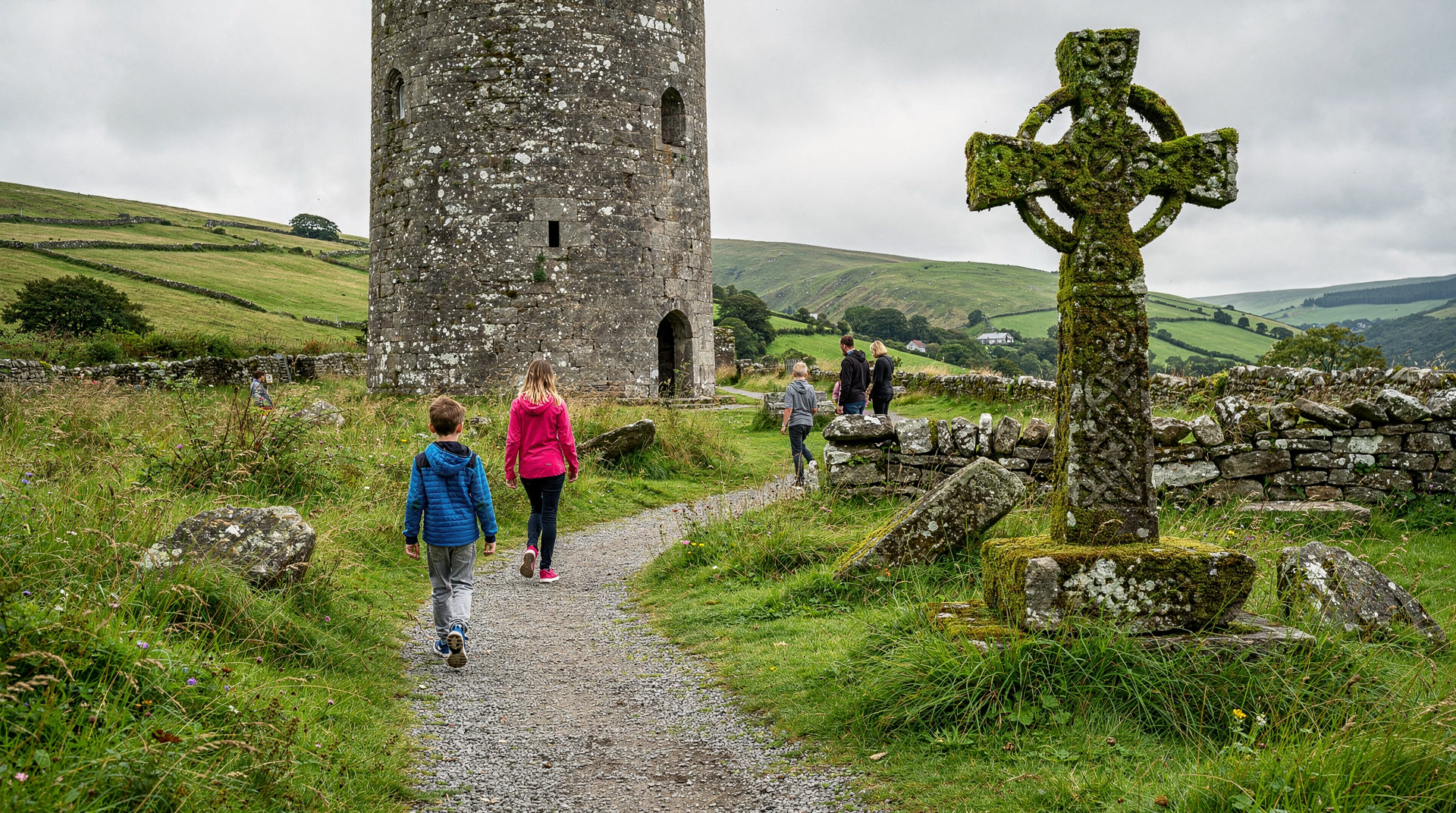
The Papal Cross marks the spot where Pope John Paul II said Mass for over a million people in 1979 — still the largest gathering in Irish history. It stands on a slight rise with open views across the park.
Áras an Uachtaráin — the Irish President’s residence — occupies the western part of the park. The grounds are not publicly accessible, but the gates and the house are visible from the perimeter road. Free guided tours of the interior run on Saturdays by advance registration through the official government site.
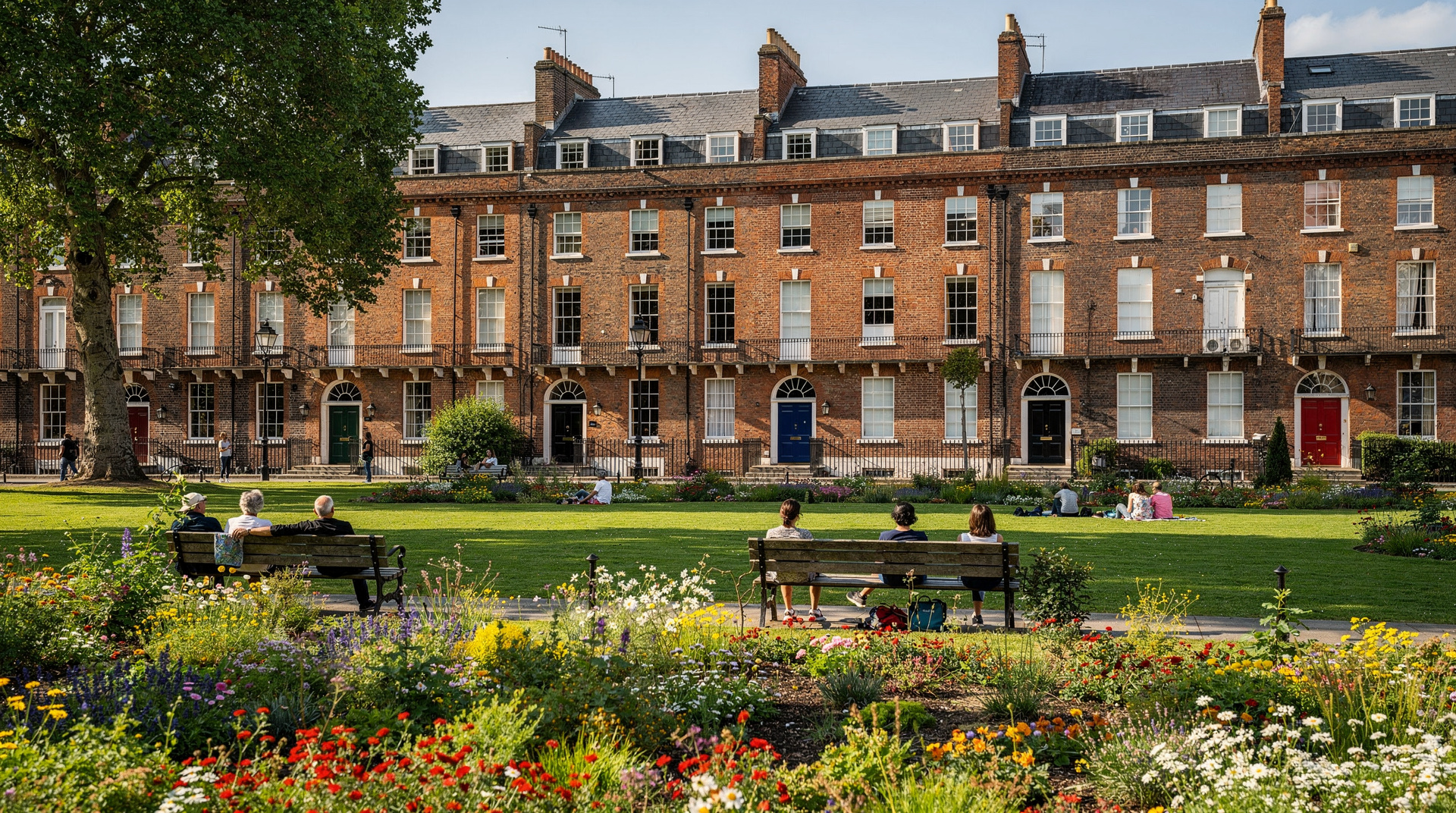
The Victorian Walled Garden near the Knockmaroon Gate has been restored and opened in recent years. It is quiet, well-maintained, and a good place to end a park walk before heading back to the city.
Best time to visit for deer and quiet paths
| Season | Deer visibility | Park crowds |
|---|---|---|
| Spring (Mar–May) | Good; fawns born from May | Manageable, mild weather |
| Summer (Jun–Aug) | Good, but deer retreat from midday heat | Busiest, especially weekends |
| Autumn (Sep–Oct, rutting) | Excellent; stags most active and vocal | Quieter after school holidays |
| Winter (Nov–Feb) | Good in open grassland, fewer visitors | Quietest, shortest daylight |
Early morning and early evening are the most reliable times to see the deer herd at any time of year — they graze in the open Fifteen Acres grassland and tend to move into wooded cover during the busiest midday hours. The autumn rut (late September–October) is genuinely dramatic, with stags roaring and sparring over territory; keep a respectful distance during this period as the animals are more unpredictable.
Getting there and practical logistics
From the city centre, the most straightforward route is Dublin Bus from O’Connell Street or the quays (routes 37, 38, 39, 70 — check which stops at which gate). The park has three main gates: the main gate off Parkgate Street (closest to the zoo), the Castleknock Gate (western end), and the Chapelizod Gate (southern).
If you are using the Leap card on Dublin Bus, the journey costs around €2 in each direction. A taxi from Temple Bar runs approximately €12–€15.
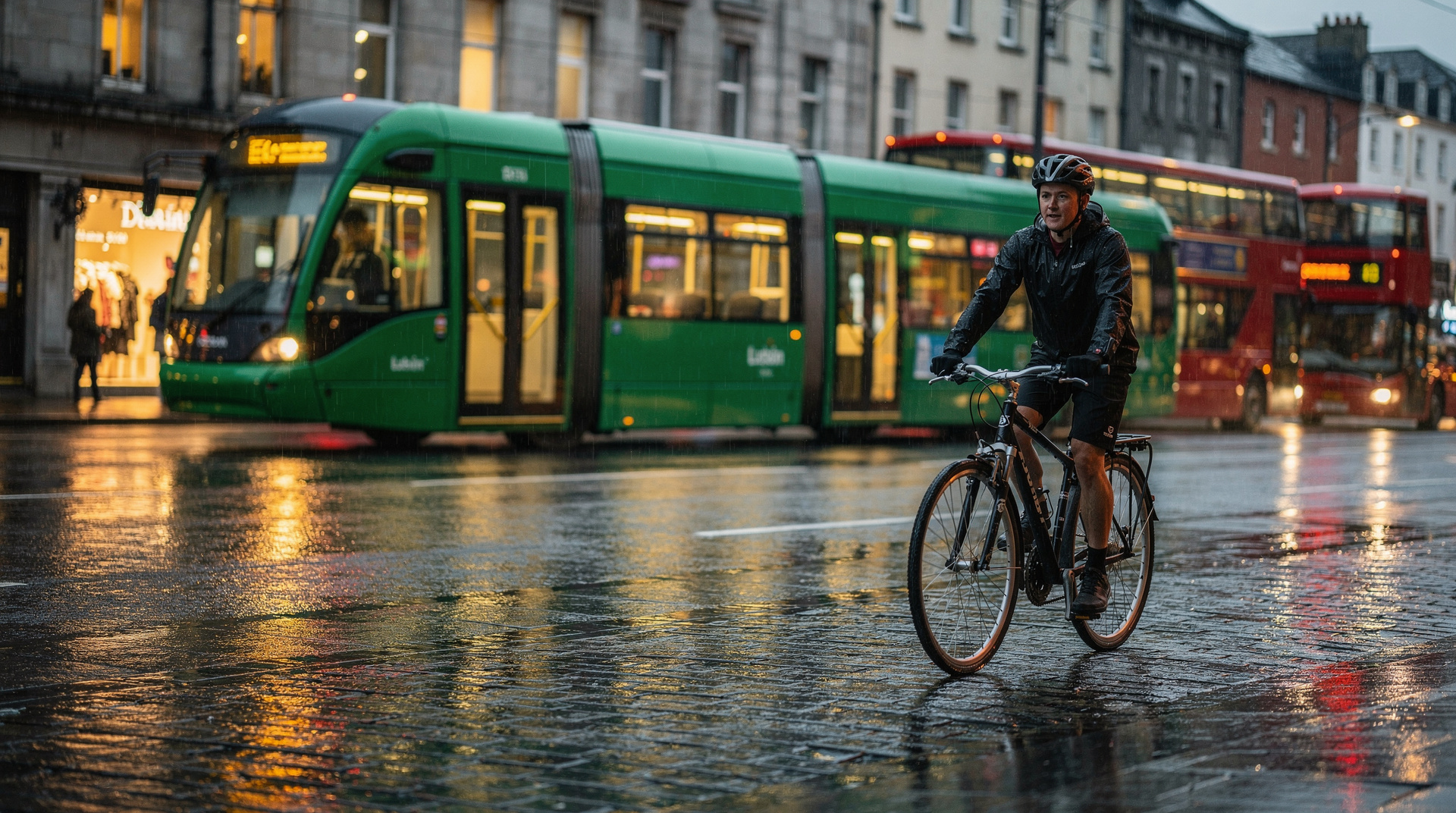
Note that the park is very large and cycling is popular — if you are comfortable on bikes, the Dublin bike hire scheme covers the area around the park gates and is a good option for an older family or a couple.
For families
Dublin Zoo is one of the best family activities in Dublin. The combination of enclosed zoo plus free deer park gives you a full day without resorting to expensive restaurant stops or additional paid attractions. Bring food — the zoo’s café is functional but expensive for families, and there are picnic areas throughout Phoenix Park.
For a rainy-day backup, the rainy day kids guide lists indoor alternatives in case the weather closes in unexpectedly. For families planning a wider Dublin stay, the family day trips guide puts Phoenix Park in the context of other child-friendly options including Malahide Castle and the Viking Splash tour.
Beyond the deer: other free things in the park
The zoo and the deer herd draw most of the attention, but Phoenix Park rewards a longer explore. The Phoenix Monument, a 63-foot Corinthian column erected in 1747, stands near the main crossroads and gives a useful orientation point if you are exploring without a map. The Visitor Centre, housed in the restored former Papal Cross chapel building near Ashtown, has free exhibitions on the park’s 350-year history, including its use as a Viceregal deer park under British rule. Ashtown Castle, a restored 17th-century tower house, sits alongside it and is included in the same free visit.
Cyclists and runners use the park extensively — the main road through the park is closed to through-traffic on Sunday mornings, which makes for a notably calm walk or cycle if your visit falls on a Sunday. Cricket, polo and Gaelic games are played on pitches near the Nine Acres in season, and it’s common to stumble on a match in progress on a summer weekend.
Combining the visit with the wider medieval quarter
Phoenix Park’s eastern gate is a manageable walk or short bus ride from Dublin’s medieval core. Families with older children who want to extend the day into the city centre can pair a morning at the zoo with an afternoon at Dublinia. The getting around Dublin logistics apply equally well here — the Leap card covers the bus back into town, and taxis are readily available at the main gate if energy is running low by late afternoon.
Planning the day around the weather
Dublin weather changes quickly, and a zoo day is mostly outdoors, so it pays to plan with a flexible mind. Check the forecast the evening before and pack layers and a light waterproof; the what to pack guide explains what works in each season. A passing shower is rarely a reason to cancel: animals are often more active in cooler, damp conditions, and the paths are quiet while other families shelter. If the rain sets in for the whole day, swap to an indoor plan from the rainy day in Dublin guide and keep the park for a drier morning.
Dry, bright days are the best for the park itself. The open grassland near Fifteen Acres feels very different in clear light, and the views from the rise at the Papal Cross are at their best when the visibility is good. If you have a flexible itinerary, hold your park day open until the morning forecast looks right, then book the zoo online once you are sure.
A sensible order for the day
Families often ask whether to do the zoo first or the park first. In most cases the zoo first works better: children have the most energy in the morning, the animals are generally more active early, and the queues are shortest at opening. Then move out into the park for a slower, flatter second half, with a picnic on the grass as the natural break between the two.
A simple rhythm that suits younger children:
- Arrive at opening and head straight to the habitats that matter most to your group, rather than following the map in order.
- Stop for a snack or a sit-down before the energy dips, not after.
- Leave the zoo when the little ones start to flag, not when you have “seen everything”.
- Use the park for an unhurried wander, a look for the deer, and a run around on open ground.
Older children and teenagers often prefer the park on a bike or a longer walk to the Visitor Centre, and the teen-friendly Dublin guide has other ideas that suit that age group. For a deeper look at the zoo alone, the dedicated Dublin Zoo guide goes through the habitats in more detail, and the Phoenix Park destination page covers the wider area.
Making it fit a longer Dublin stay
The zoo and park day slots neatly into a wider trip because it asks very little of the rest of your schedule. It keeps well away from the busiest tourist streets, and it pairs naturally with a lighter day on either side. If you are building a first visit, the first-time Dublin guide helps you decide how much to include, and the three-day planning guide shows where a relaxed outdoor day sits among the big city sights.
Travelling with children for several days? The family itinerary for Dublin balances paid attractions with free outdoor time, which is exactly the role Phoenix Park plays. Short on time instead? The one-day Dublin itinerary is a better fit, and the park is best saved for a longer visit.
Choosing where to sleep also changes how easy this day feels. Staying on the north-west side of the city puts the park gates within easier reach, while a base in the centre means a short bus ride each way. The where to stay in Dublin guide compares the neighbourhoods so you can match your base to the plans you care about most.
Keeping the cost down
Because the park is free and the zoo is the only ticketed element, this is one of the more economical days out in the city. A few habits keep it that way: book the zoo ticket online, bring your own food and water, and use the bus rather than a taxi if the group is small. The Dublin on a budget guide lists other ways to stretch a trip, and the free museums guide is a good companion for the days around your outing. Pairing a paid morning with a free afternoon is the simplest way to keep the day affordable without feeling like you have cut anything out.
Respecting the animals and the park
Phoenix Park is a working public space as well as a wildlife habitat. Keep dogs under control, take rubbish with you, and let the deer decide how close they want to be. Feeding them can make them dependent on people and sometimes aggressive, which is why it is discouraged. In the zoo, follow the keeper instructions at feeding stations and keep voices low near the quieter habitats, since calm visitors tend to see more natural behaviour.
Frequently asked questions about Dublin Zoo and Phoenix Park guide
How much is Dublin Zoo in 2026?
Online adult tickets cost approximately €22–€26, with children (3–15) around €16–€18 and under-3s free. Online booking is cheaper than the door price and allows you to skip the ticket queue. Annual membership is good value if you plan to visit twice or more — it covers the whole family and pays back on the second visit.How long should I spend at Dublin Zoo?
Most families spend 3–4 hours in the zoo itself. Add an extra hour if you walk through Phoenix Park to the Papal Cross or deer herd afterward. A full day — zoo in the morning, picnic lunch, afternoon in the park — works well and leaves children tired in a good way.What is the best thing to see at Dublin Zoo?
The African Savanna habitat, home to giraffes, rhinos, and ostriches, consistently draws the biggest crowds for good reason. The Kaziranga Forest Trail — Asian elephants, Sumatran tigers, and giant otters — is equally impressive. The sea lion feeding sessions are timed events shown on the daily schedule board near the entrance.Are there deer in Phoenix Park?
Yes — Phoenix Park has a herd of approximately 600 fallow deer that roam freely throughout the park. They are most visible in the open grassland areas near the Papal Cross and the Ordnance Survey building. Dawn and dusk are best for sightings, but the deer are often present mid-afternoon. This is free and requires only a walk through the park.How do I get to Phoenix Park and Dublin Zoo from the city centre?
Phoenix Park is about 4 km west of the city centre. Dublin Bus routes 37, 38, 39, and 70 stop at the park gates. The Luas Red Line stops at Museum (Heuston area), from which the main gate is a 15-minute walk. Taxis from the city centre cost approximately €12–€15. There is free parking inside the park for those driving.Is Phoenix Park free to enter?
Entirely free. Phoenix Park is a public park and open 24 hours. Dublin Zoo within it requires a ticket, but the park itself — including the deer herd, the Papal Cross, Áras an Uachtaráin (the president's residence, viewable from the gate), the Victorian Walled Garden, and the Phoenix Monument — costs nothing to explore.
Top experiences
Bookable activities with verified prices and instant confirmation on GetYourGuide.

Dublin: Dublin Zoo entry ticket
- Free cancellation
- Instant confirmation

Dublin: Zoo skip-the-line tickets with private transfers
- Free cancellation
- Instant confirmation

Dublin: Viking Splash tour — see Dublin by land & water
- Free cancellation
- Instant confirmation

Dublin: the 7 wonders of the city exploration game
- Free cancellation
- Instant confirmation