Dublin in the quiet season
Against the obvious answer
Ask anyone when to visit Dublin and they’ll tell you June, July, August — long evenings, the best chance of sun, everything open. They’re not wrong. But they’re giving you the answer that optimises for weather and light while ignoring a different set of variables: crowd density, hotel prices, the temperament of the city when it’s not performing for visitors.
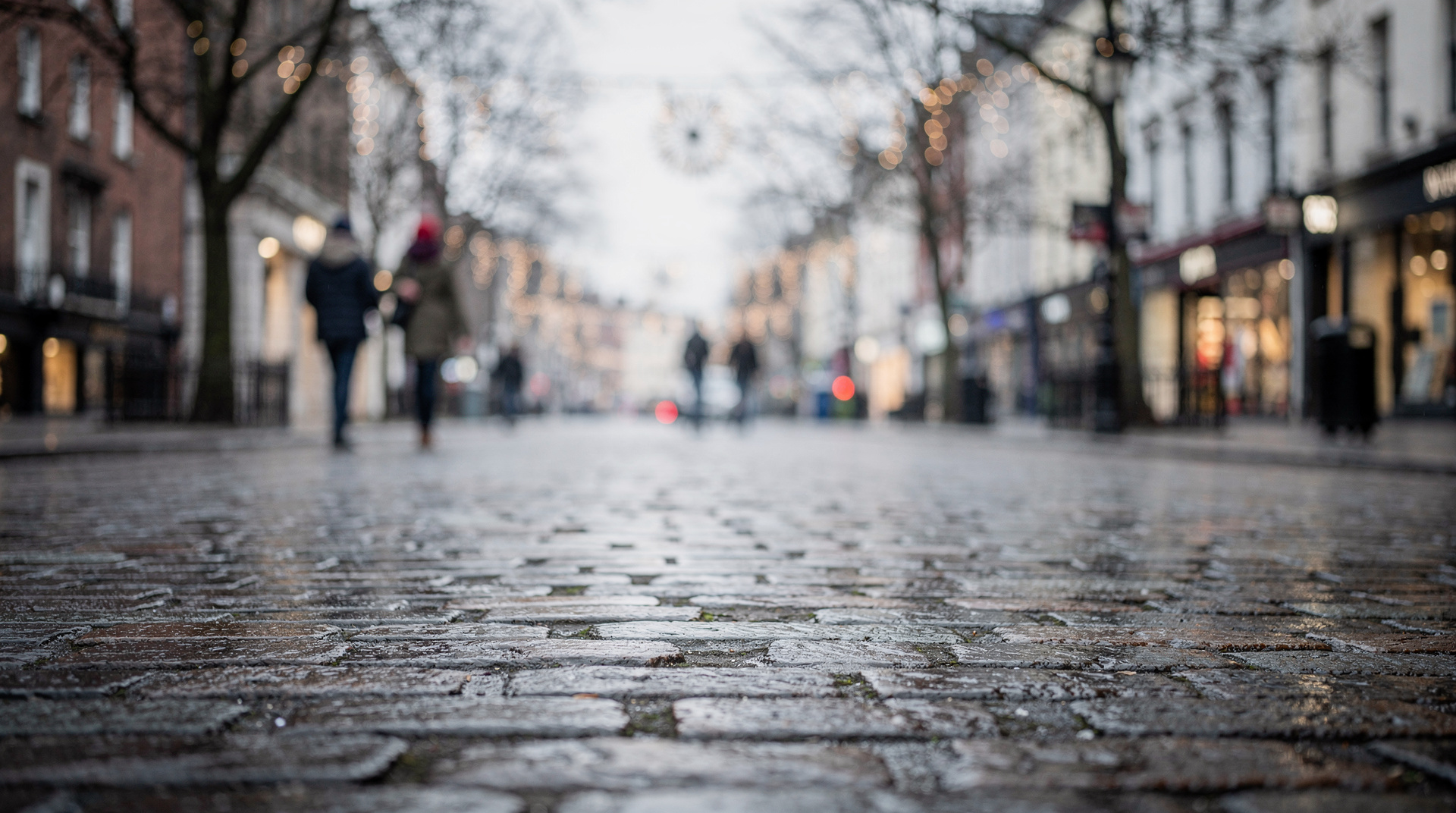
February in Dublin is a different proposition. The days are short — sunrise around eight, sunset around five-thirty, the kind of grey light that makes you understand why Irish poetry tends toward elegy. The weather is honest: cold, often wet, occasionally brightened by a clear morning that feels like a gift specifically because it’s unexpected. Hotel prices drop by thirty to fifty per cent compared to summer. The Guinness Storehouse queue disappears. The restaurants have available tables.
More than any of this: the city is itself. Not curated for outsiders, not braced for the influx, not performing a version of Irishness for people who’ve flown in for the weekend. In February, Dublin is just Dublin.
| Cost | Hotels around €100-130/night city centre, 30-50% below summer |
| Weather | Cold, often wet; occasional clear, low-light days |
| Crowds | Minimal at major attractions and pubs |
| Best for | Museums, pubs, photography, budget travel |
| Pack | Waterproof layers over a heavy coat |
What changes in the off-season
The practical differences are worth listing. Most major attractions keep their usual hours through winter. The Guinness Storehouse, Trinity College and the Book of Kells, Kilmainham Gaol, the National Museums — all open. Dublin’s free museums are free in any season, and in February they’re also quiet.
Day trips do thin out. Some of the smaller operators running coastal boat tours or guided hikes scale back frequency in winter, so if your itinerary depends on a specific departure, check ahead. But the major day-trip routes — Wicklow and Glendalough, the Boyne Valley, Belfast — run year-round. The Wild Wicklow tour to Glendalough in winter has a completely different character from the summer version: bare trees, lower water levels revealing valley shapes you can’t see when everything is in leaf, a silence that the tour buses at peak season don’t permit.
Rain is a near-certainty at some point in any February visit, and the rainy day Dublin guide is worth pairing with this one — most of its recommendations work even better with the crowds removed. Pack accordingly: the Dublin weather and packing guide has the specifics for a proper winter kit.
Indoors, without a queue
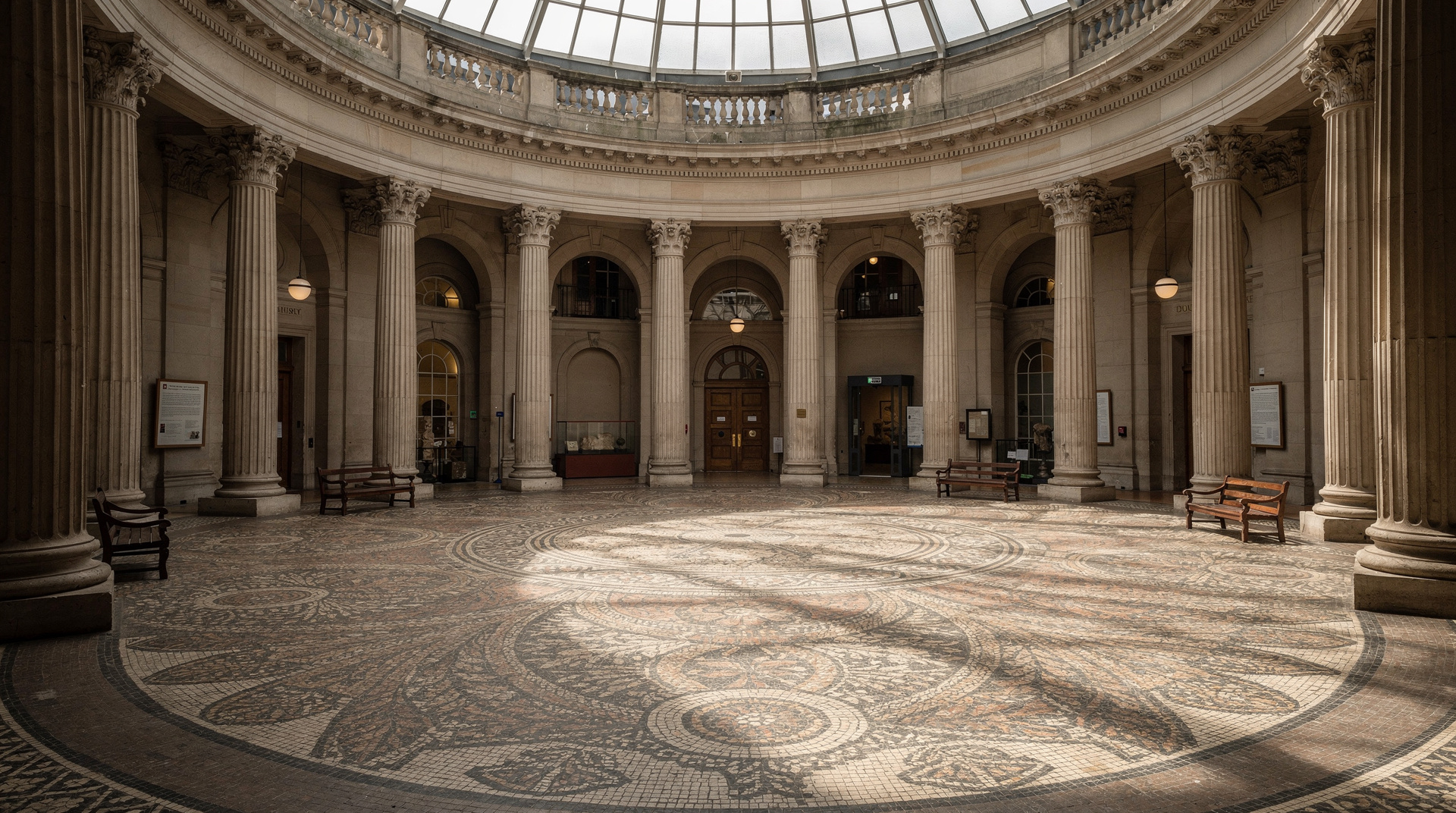
Winter is the season to do the big indoor attractions properly rather than as a rushed, crowd-managed visit. Trinity College and the Book of Kells, usually a slow shuffle in summer, move at a normal pace in February.
Book of Kells and Dublin Castle tourThe whiskey museums and distillery tours are similarly better in winter — smaller groups, more time with the guide, and a warm room is a genuine asset on a February afternoon.
Irish Whiskey Museum tour and tastingThe February pub
This needs its own section because it is genuinely one of the better arguments for winter travel.
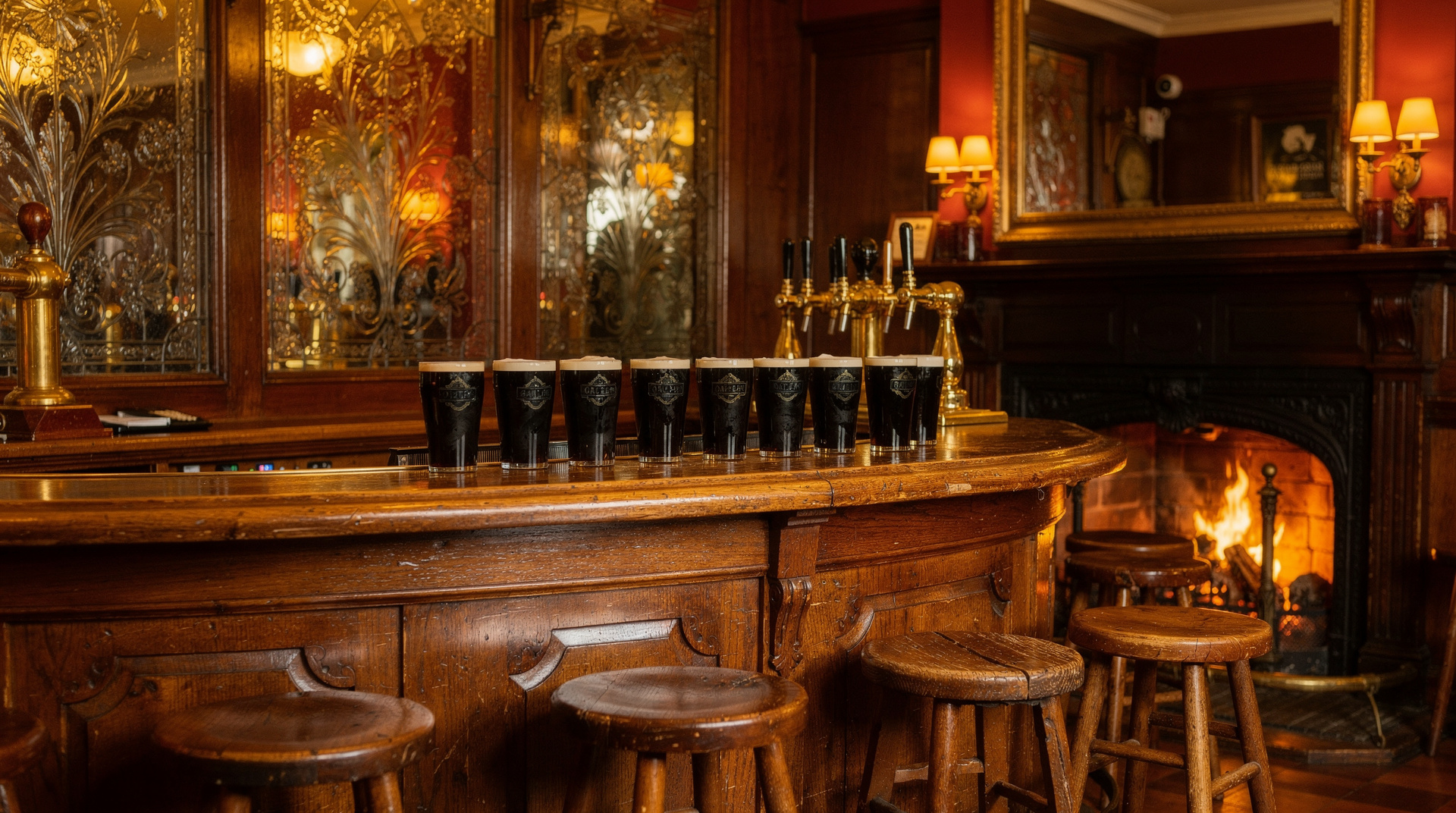
The Dublin pub in February operates at a frequency that feels calibrated for human beings rather than for logistics. There is space to sit. The barman can make eye contact with you. The trad session that appears in certain pubs on Wednesday evenings — not the tourist-facing ones with a sign outside promising “traditional Irish music every night,” but the ones where the musicians have been coming every week since before you were born — these are accessible in winter in a way that they simply aren’t in summer, when the pub is three-deep with visitors before the first note.
Pubs worth targeting in February: any of the Victorian survivors on the southside — Kehoe’s, Toner’s on Baggot Street, Doheny and Nesbitt’s. On the northside, Mulligan’s and The Oval. These places have nothing to prove and no particular interest in impressing anyone. That’s exactly the point. Our honest guide to pubs where locals drink will orient you. If traditional Irish music is part of what you’re after, February is one of the better months to find a genuine session rather than a staged one — the tourist-facing rooms thin out considerably.
Prices and the practical case
Dublin is an expensive city in summer. In February, the arithmetic is different.
Hotel rates in the city centre drop meaningfully — it’s possible to find good three-star accommodation for €100 to €130 per night, rates that would buy you a budget property in August. The better mid-range hotels sometimes offer weekend packages that include breakfast and museum tickets. A Dublin on a budget framework is more achievable in February than any other time, and the Dublin trip cost guide gives a fuller baseline across budget levels if you’re planning the whole trip around the savings.
Flight prices follow the same logic.
Dublin by season, the honest comparison
| Season | Crowds | Hotel prices | Best for |
|---|---|---|---|
| February (deep off-season) | Minimal | Lowest, 30-50% below summer | Museums, pubs, budget, photography |
| March-April, Oct-Nov (shoulder) | Low-moderate | Moderate discounts | Balance of weather and savings |
| June-August (peak) | Heaviest | Highest, can spike further | Long evenings, best sunshine odds |
| December (festive) | Moderate, spikes pre-Christmas | Moderate, spikes final week | Christmas atmosphere, seasonal events |
What winter light does to the city
I want to make an aesthetic argument here, not just a practical one.
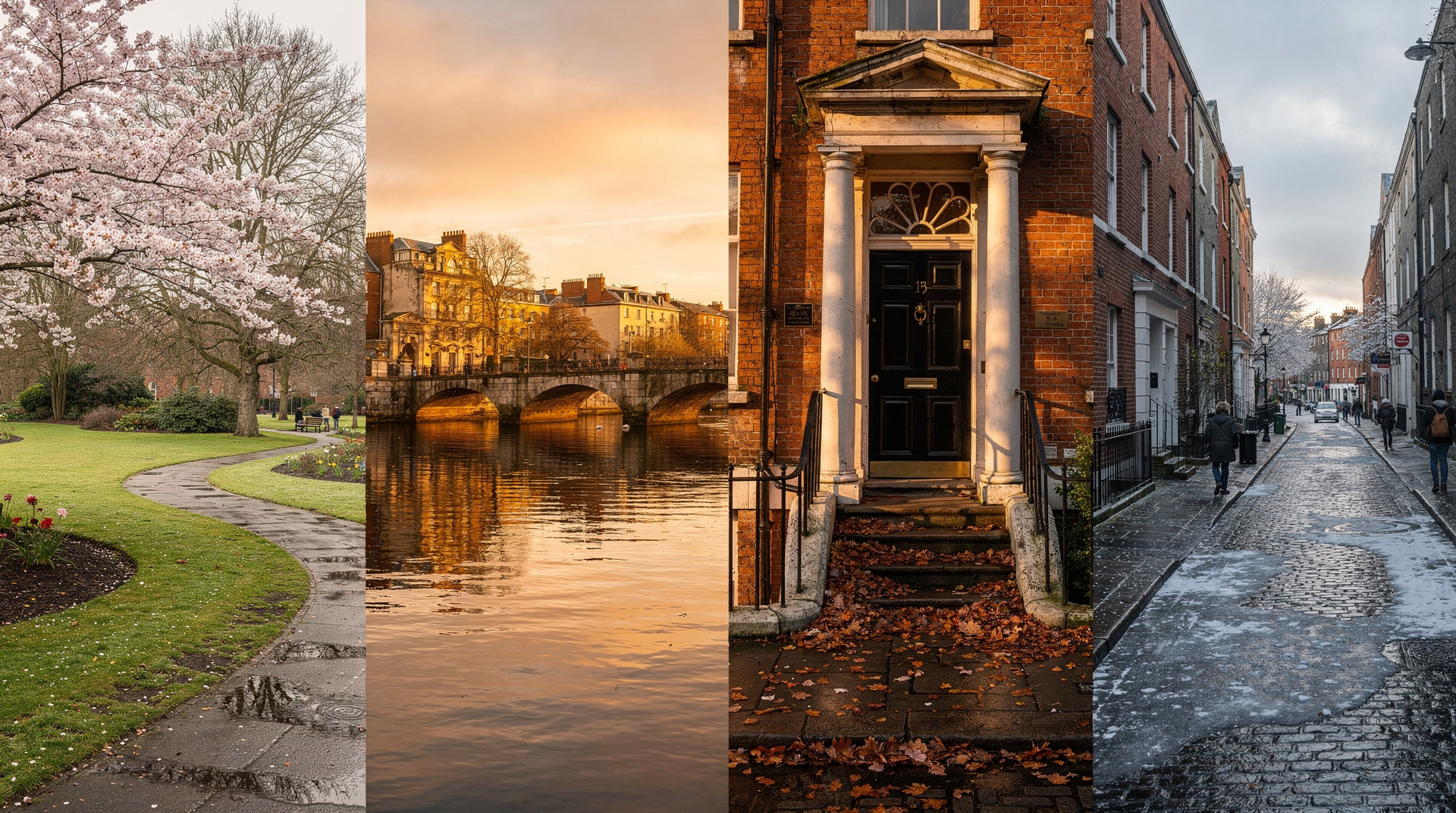
Dublin in February has a quality of light that is specific to northern European winter and deeply underappreciated. The sun, when it appears, sits low in the sky for the entire day — rising in the southeast, arcing south, setting in the southwest without ever getting fully overhead. This means the Georgian brickwork catches a raking, amber light for most of the usable day. Streets that face south or west look theatrically warm. Shadows are long and interesting. The sky behind the city, when the clouds break, is the specific pale blue that comes after rain.
I’ve taken better photographs in Dublin in February than in any other season. The light is simply more interesting.
Georgian Dublin in winter
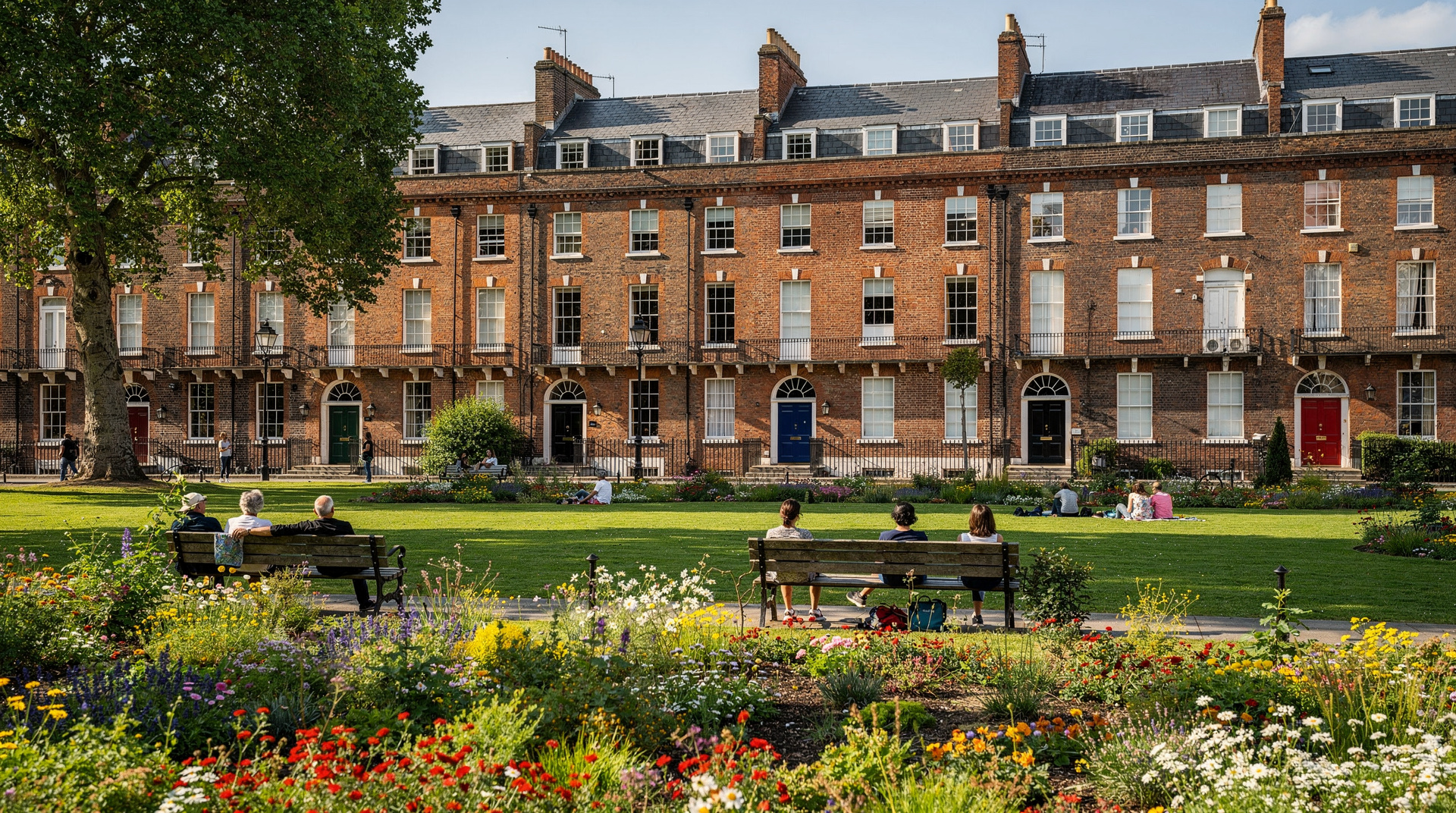
Georgian Dublin — the Merrion Square and Fitzwilliam Square areas, the terraces of Baggot Street, the back streets of Ballsbridge — is the part of the city that most rewards slow, quiet exploration. In summer, it’s crowded with people walking between the museums and galleries. In February, you have it largely to yourself.
The squares are worth exploring systematically. Merrion Square has the original Georgian terraces intact on three sides, with the National Gallery of Ireland (free entry) occupying the fourth — a short walk from the National Museum, another free, warm, and quiet option on a February afternoon. Fitzwilliam Square, a few minutes south, is smaller and even less visited — the gardens in the centre are private, maintained by the residents of the surrounding houses, and the wrought-iron railings and numbered doorways feel like a city that has been slightly misplaced from 1810.
On the question of gloom
I should be honest about the counterargument. February can be genuinely gloomy. There are weeks when the cloud sits low over the city for days at a time, the drizzle is persistent rather than dramatic, and the short days feel shorter than they are. This is not an imaginary objection.
The mitigation is twofold: first, this is also what Dublin is actually like for a significant portion of the year, so if you’re considering any visit that isn’t summer, you’re dealing with some version of this anyway. Second, the city is genuinely well-adapted to indoor life. The pub culture, the museums, the literary traditions, the bookshops — these all make more sense as compensations for difficult weather. Sitting in a warm room with a pint and a book and rain on the window is not a second-best version of Dublin. It might be the essential version.
Our guide to the best time to visit Dublin covers the tradeoffs between seasons in more clinical detail. But the headline is this: if you care about crowds, prices, and experiencing the city as a living place rather than a tourist production, February has a strong case.
And the pints are identical in every season.
Top experiences
Bookable activities with verified prices and instant confirmation on GetYourGuide.